
Pitru Paksha (पितृ पक्ष) is an important 16-day period in the Hindu lunar calendar when families remember and honour their ancestors. According to traditional belief, this is a time when our ancestors come closer to us, and families perform Shradh by offering food, water and prayers. It is also a time to express gratitude for the generations that shape our lives and seek their blessings for the future.
Our elders are familiar with many of these rituals, but with today’s fast-paced lifestyle, some practices can easily be overlooked. While prayers are always performed with श्रद्धा (shraddha) and a pure heart, there are certain mistakes to avoid to keep these traditions meaningful.
Table of Contents
Pitru Paksha Traditions: 10 Mistakes to Avoid – From Roots to Rituals
1. Performing Shradh Without Checking the Tithi
Always confirm the correct Shradh tithi according to your family tradition and Panchang. Avoid selecting a date simply because it fits your schedule.
2. Turning Pitru Paksha into a Display
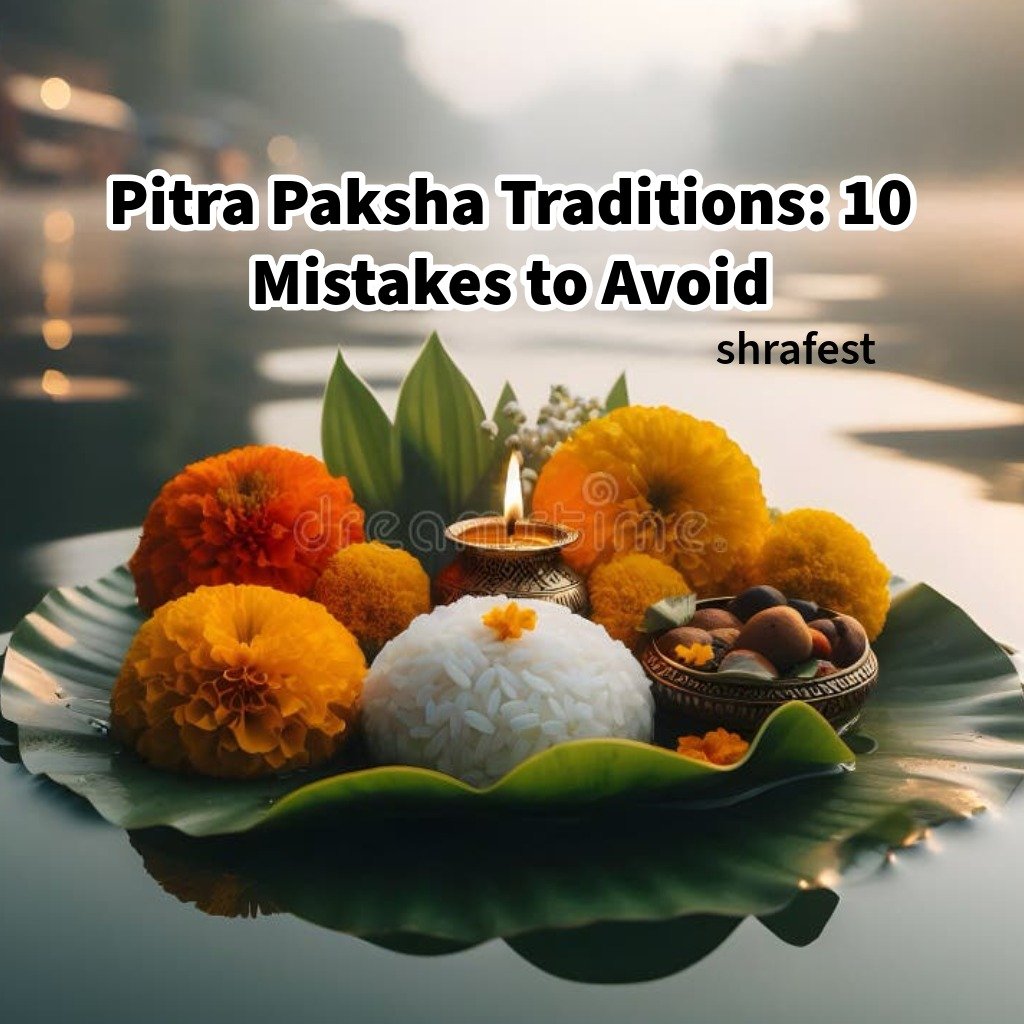
Pitru Paksha focuses on simplicity, purity and gratitude, not elaborate decoration or expensive arrangements. Basic essentials such as a copper lota, diya, til and puja thali are sufficient.
3. Forgetting the Meaning Behind Ancient Rituals and Festivals
Our ancient rituals and festivals carry cultural and spiritual meaning. Instead of blindly following or completely rejecting them, understand their purpose and practise them sensibly in today’s lifestyle.
4. Ignoring the Importance of Shradh (श्राद्ध) Traditions
Shradh is not simply about completing a set of rituals. The भावना (intention) behind every offering matters. Perform the rituals with sincerity rather than treating them as a checklist.
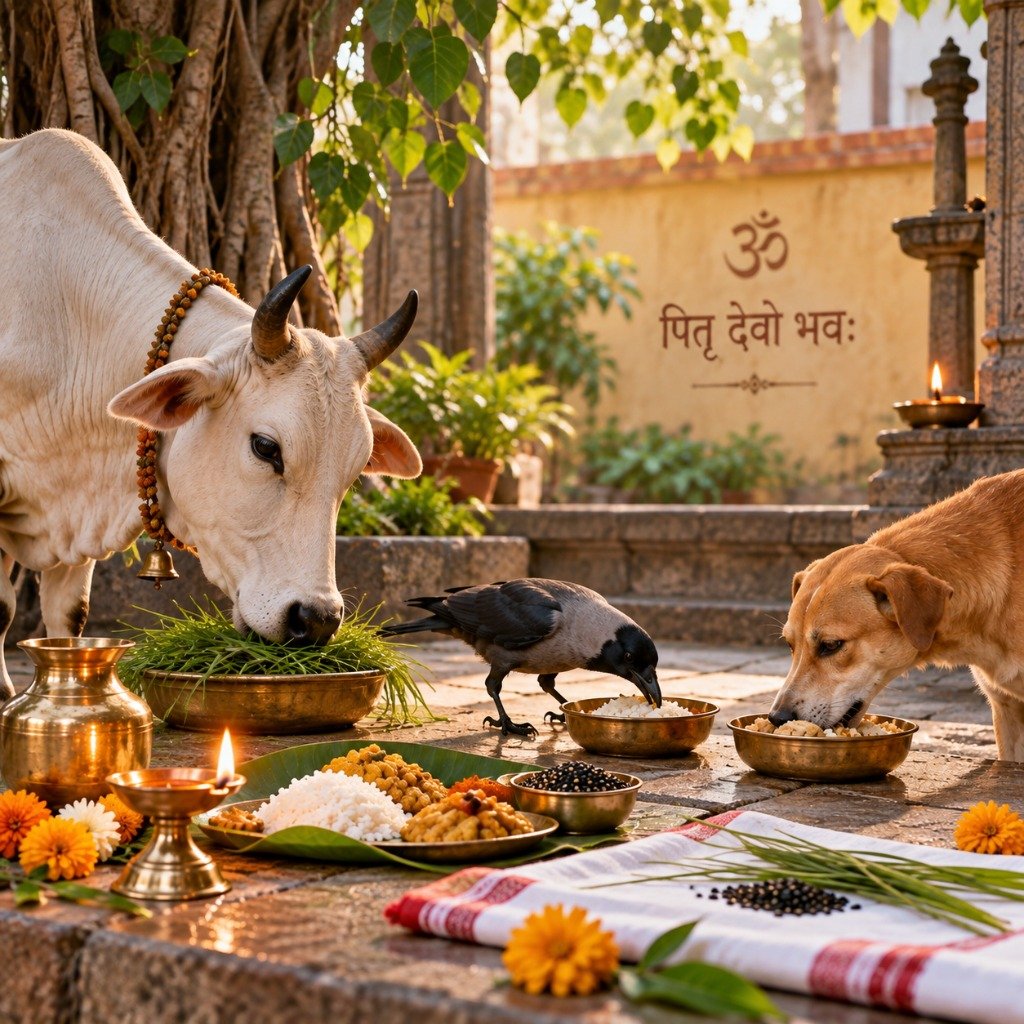
5. Ignoring the Crow and Dog in Shradh (श्राद्ध) Traditions
Offering food to a crow is traditionally associated with ancestral offerings, while feeding a dog reflects compassion and seva towards living beings. Set aside a suitable portion of food for them according to your family tradition.
6. Forgetting Gau Seva During Pitru Paksha (पितृ पक्ष)
The cow is traditionally respected as Gau Mata. Offering suitable food or green fodder is a meaningful form of seva. Today, you can also support a local gaushala or arrange suitable fodder as part of your observance.
7. Being Careless About Shradh Food
Keep Shradh food fresh, sattvik and simple, following your family’s customs. Prepare the offerings with cleanliness and respect rather than unnecessary experimentation.
8. Overlooking the Significance of Gaya Ji

Gaya Ji is traditionally regarded as one of the most important places for Pind Daan. According to the ancient legend, Gayasur performs intense penance and becomes so powerful and pure that his body itself is considered sacred. To preserve this sanctity for the welfare of all beings, Lord Vishnu places His divine feet upon Gayasur, and the sacred land of Gaya Ji becomes associated with Pind Daan, Shradh and ancestral liberation.
आज भी कई परिवार Gaya Ji जाकर Pind Daan करते हैं। If travel is not possible, follow the appropriate rituals at home according to family tradition and guidance from a Pandit.
9. Forgetting Seva Beyond Family Rituals
Pitru Paksha also encourages compassion. Along with family rituals, consider feeding someone in need, supporting a gaushala, or providing food and water to birds and animals.
10. Remembering Ancestors Only During 16 Days
The spirit of Pitru Paksha should continue beyond these 16 days. Preserve family stories, photographs and traditions, and teach younger generations about their roots.
Bringing Pitru Paksha Traditions into Modern Life
Among the many religious festivals of India, Pitru Paksha holds a unique place because it connects spirituality, family and gratitude.
Traditional essentials such as a puja thali, copper lota, diya, til, kusha, sattvik bhog ingredients, earthen diyas and suitable cow fodder can be included in your preparations. These products support the ritual, but they are not its essence.
This Pitru Paksha, take a moment to remember the people whose lives become the foundation of yours. Feed a cow, offer food to a crow and dog, perform your family Shradh traditions with sincerity, and teach the next generation why these practices matter.
Amazon Finds and Meesho Finds for Pitru Paksha 2026
(You do not need to pay anything extra but I may earn some commission)
| Products | Item Link 2 | Item link 2 |
| Copper Lotas | https://link.amazon/B01wwfcOp | https://link.amazon/B0ixsbQ0g |
| Diyas | https://link.amazon/B01gdVxxW | https://link.amazon/B0hFTjqY3 |
| Cotton Wicks | https://link.amazon/B099M3j9o | https://link.amazon/B0dLRS8Uu |
| Incense | https://link.amazon/B01yTsa6W | https://link.amazon/B001Spkgi |
| Incense burner | https://link.amazon/B01pfNnfA | https://link.amazon/B05N5tcKL |
| Black Til | https://link.amazon/B024j5xMd | https://link.amazon/B0iWPGv8W |
FAQs About Pitru Paksha
-
When is Pitru Paksha this year as per the Vikram Samvat calendar?
Pitru Paksha begins on September 26 and ends on October 10 2026, according to the Hindu calendar. The period falls across Vikram Samvat 2083.
-
Why are cows, crows and dogs fed during Pitru Paksha?
The cow, crow and dog each hold symbolic and traditional significance. Feeding them represents seva, compassion and the offering of food as part of the ancestral observance.
-
Is it necessary to visit Gaya Ji for Pind Daan?
Gaya Ji holds a special place in Hindu tradition for Pind Daan and ancestral rites. However, if travelling is not possible, families can follow the appropriate rituals according to their own family traditions and seek guidance from a knowledgeable Pandit.
-
What items are useful for Pitru Paksha rituals?
Depending on your family tradition, commonly used items include a copper lota, puja thali, diya, til, kusha, sattvik food ingredients and other puja samagri.
-
How can Pitru Paksha encourage economic awareness at home?
Plan your essential puja samagri in advance and avoid unnecessary purchases. This creates an economic awareness zone where tradition and thoughtful spending go together.
-
Can modern families follow Pitru Paksha traditions with self-care?
Simple rituals, planned preparation, sattvik food and adequate rest are practical self care tips for busy families, not only prepare for festive glow but also help in keeping glut health happy.


1 Comment