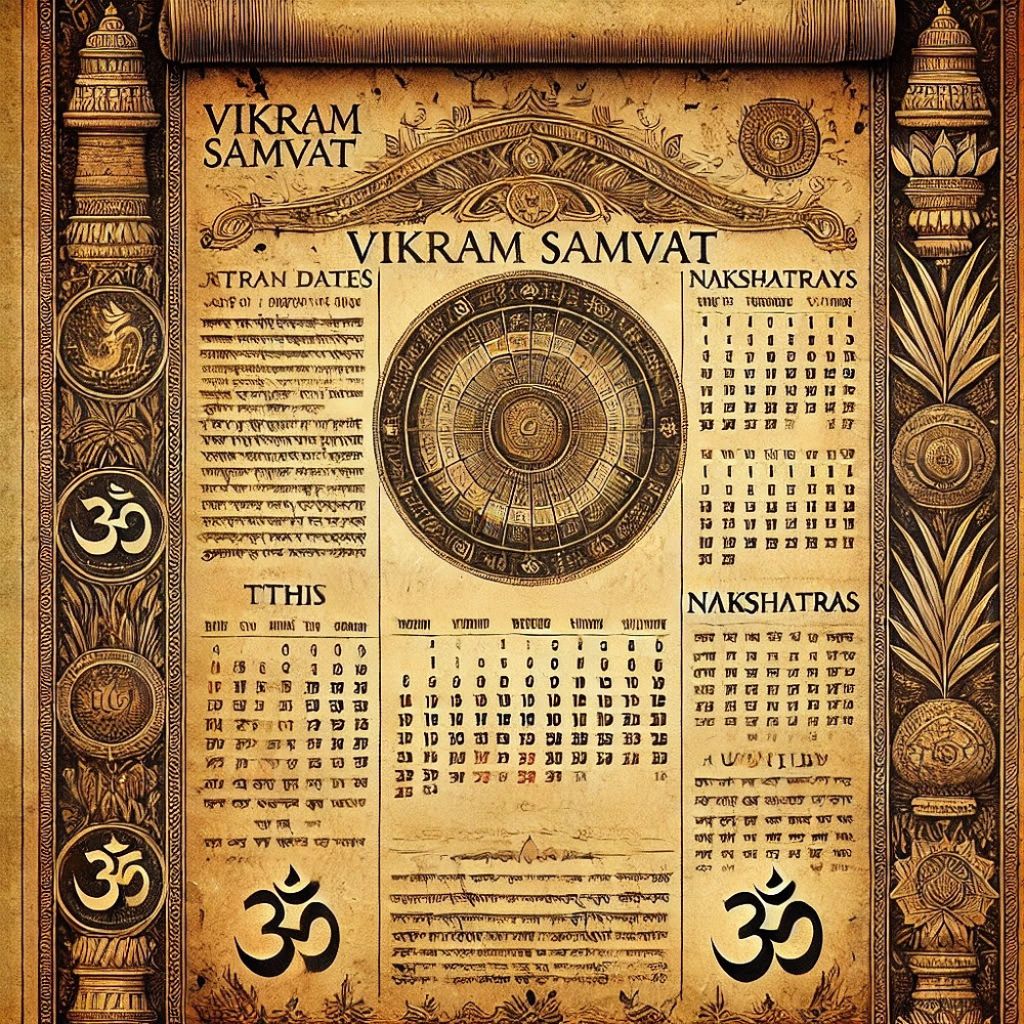
Vikram Samvat is one of the oldest Hindu calendars still in active use. Indians have followed Vikram Samvat for thousands of years, an ancient timekeeping system that connects daily life with nature and spirituality. It is not just a historical system, but a living tradition that shapes Indian religious beliefs, social customs, and seasonal practices.
Whether it is deciding a wedding date, performing a religious ritual, or celebrating festivals, Panchang Vikram Samvat plays a central role. Yeh calendar sirf date batane ke liye nahi, balki Indian civilization ka ek cultural backbone hai.
Table of Contents
What is Vikram Samvat?
Vikram Samvat is a lunar solar calendar, meaning it is based on both the moon and the sun. It started around 57 BCE, making it 56-57 years ahead of the Gregorian calendar.
This calendar is widely used in Hinduism, Jainism, and Nepal. It helps to determine:
- Tihi (Lunar Dates)
- Nakshatra
- Muhurat
- Cosmic rhythm in Human life
Origin of the Vikram Samvat Hindu Calendar
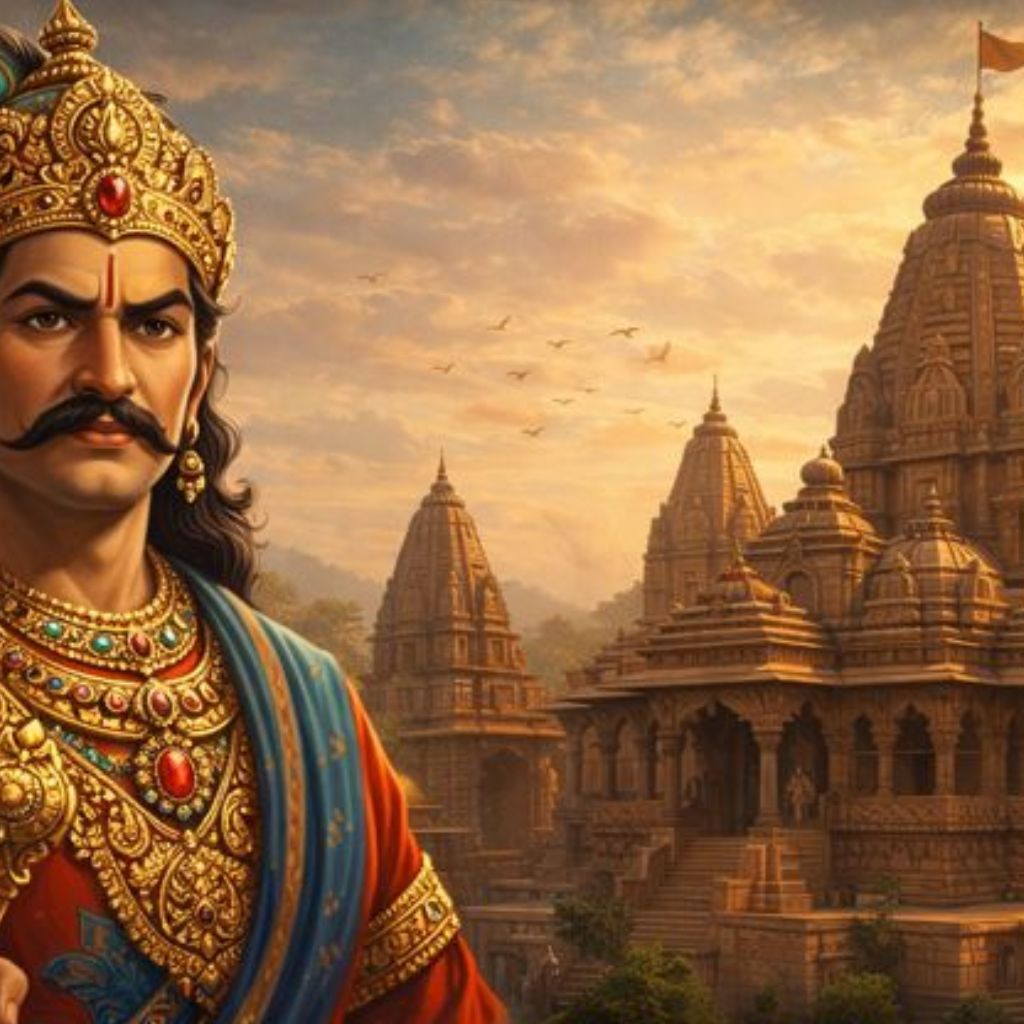
King Vikramaditya was a legendary ruler of Ujjain, Madhya Pradesh, India, known for justice, bravery, wisdom, and patronage of learning and culture. The tradition says he defeated foreign invaders and established a prosperous era, leading to the start of a new calendar in 57 BCE, later called Vikram Samvat.
The calendar was named in his honor to mark a new era for Indian civilization. Over time, the Vikram Samvat Hindu calendar became widely used for religious, cultural, and administrative purposes and is recorded in ancient inscriptions and temple records, making it one of the longest continuously used calendar systems in the world.
Why Vikram Samvat Is Still Important in Modern India?
Vikram Samvat is still important in modern India because it connects people with traditional Indian culture, religion, and nature-based timekeeping systems. It guides religious festivals, rituals, muhurat, and preserves ancient traditions with a modern lifestyle.
Foundation of Indian Religious Beliefs
Vikram Samvat is the foundation of the Indian religious roots. All types of vrat, puja, tithi, muhurat, and religious observance depend on Panchang Vikram Samvat.
For example: Ekadashi (avoid eating rice), Navratri (Chaitra, Shardiya, 2 Gupt), Shradh rituals (pray and honor deceased ancestors), Amavasaya, Purnima, and many others.
Without it rituals of Hinduism followers can collapse; it is considered the backbone of Indian religious beliefs.
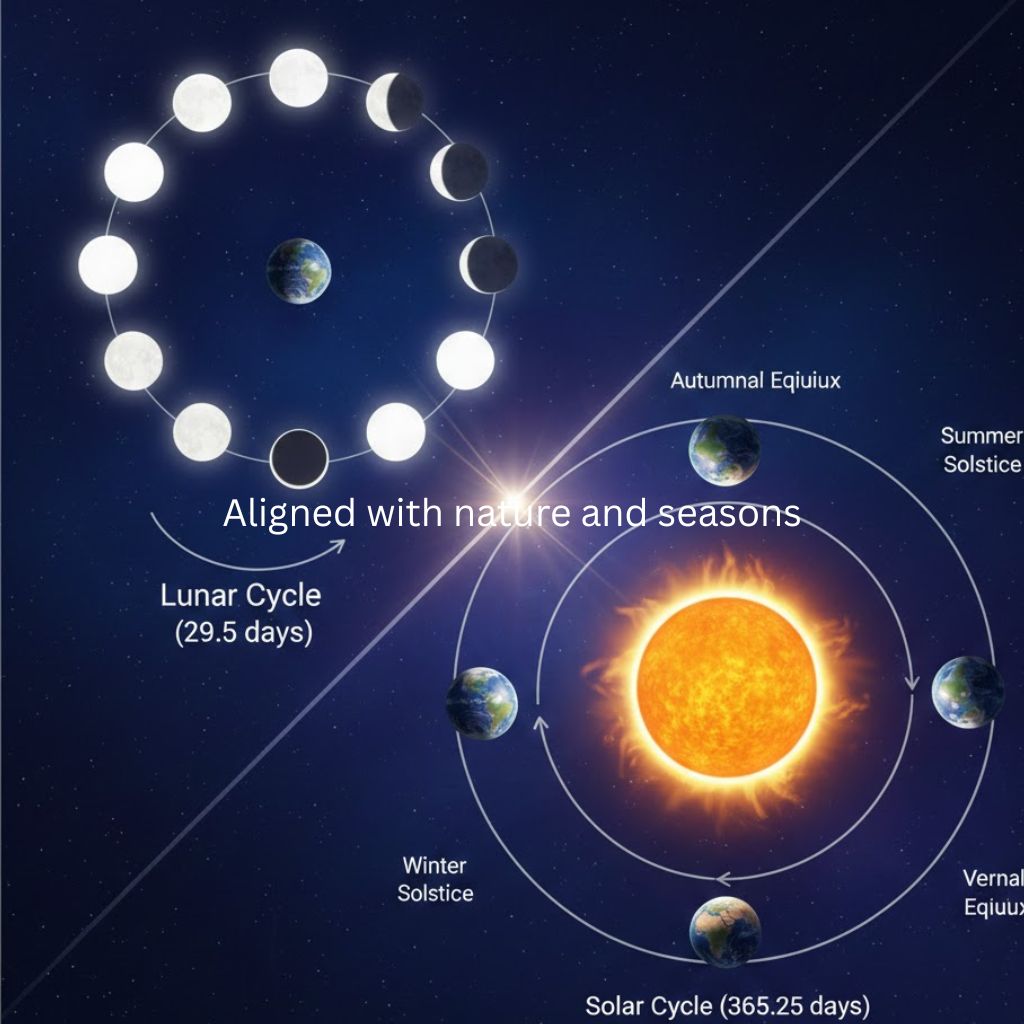
Aligned with nature and seasons
The alignment of Vikram Samvat with nature and seasons connects with the rhythms of moon phases (lunar cycle) and solar cycle, so that festivals and agricultural practices go hand in hand.
For Example: Harvest Festivals (Baisakhi, Gudi Padwa, Lohri), Monsoon rituals (Shravan somvar, nag panchmi, Ganesh Chaturthi), Makar Sankranti, and many more.
Cultural identity and traditional knowledge preservation
Vikram Samvat is a symbol of the cultural identity of India. It represents traditional knowledge in the modern era, making it an important part of Indian history, and also helping in protecting the unique heritage of India.
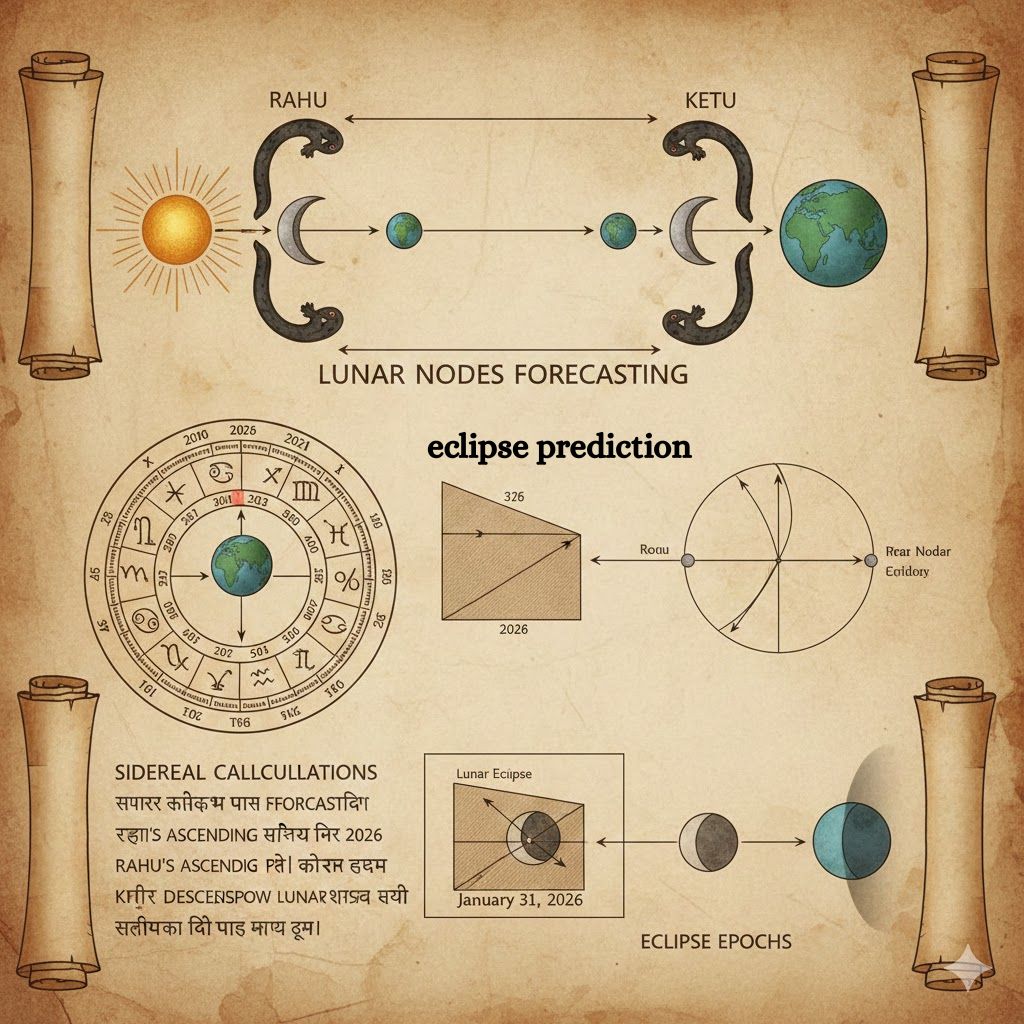
Scientific roots in ancient Indian astronomy
Many people think Vikram Samvat is only religious, but it also holds strong scientific roots behind it. With the help of ancient Indian astronomers, science calculates eclipses, planetary motions, leap years, and other time cycles with accuracy.
Practical and spiritual timekeeping
Modern India uses two calendars for two purposes:
- Gregorian calendar for practical and global activities
- Vikram Samvat for spiritual and cultural life.
- Gregorian calendar business, stock markets, aviation, aur global communication ke liye useful hai.
- Vikram Samvat spiritual life ke liye muhurat, rituals, festivals, astrology.
Vikram Samvat Vs Gregorian Calendar
| Religious, cultural, and astronomical | Vikram Samvat | Religious, cultural, and astronomical |
| Type | Luni-solar | Solar |
| Origin | Ancient India (57 BCE) | Europe (1582 CE) |
| Purpose | Religious, cultural, astronomical | Civil, global administration |
| Year Difference | 56–57 years ahead | Global standard |
Why Indian Festivals Follow Vikram Samvat?
Indian festivals follow Vikram Samvat because most Hindu festivals are based on lunar cycles and not on fixed solar dates. The Vikram Samvat Hindu calendar is a luni-solar calendar that tracks the cycle of both the Moon and the Sun, which helps determine tithis, nakshatras, and muhurats.
For example: Diwali (Amavasya), Holi (Purnima), Navratri (lunar month-based), Janmashtami (Ashtami tithi)
Therefore, Panchang Vikram Samvat is used to calculate accurate festival dates, keeping religious traditions aligned with nature, seasons, and ancient Indian astronomical principles.
Why Stock Markets Still Use Gregorian?
Stock markets still use the Gregorian calendar because it is the globally accepted standard for business, finance, and international communication. Financial systems, banks, trading platforms, and multinational companies across the world follow the same calendar to ensure consistency, accuracy, and synchronization in transactions, reporting, and settlements.
How Technology Is Keeping Vikram Samvat Alive?
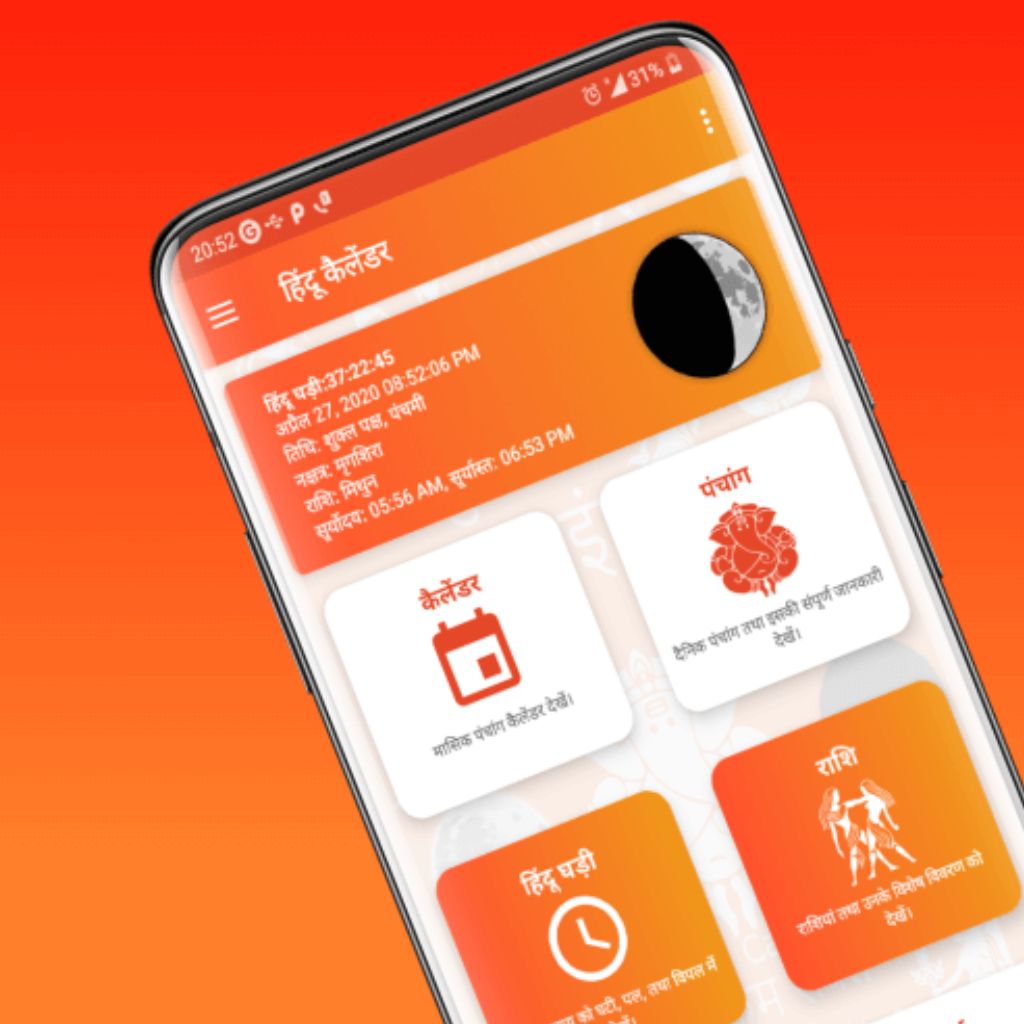
Apps, Websites
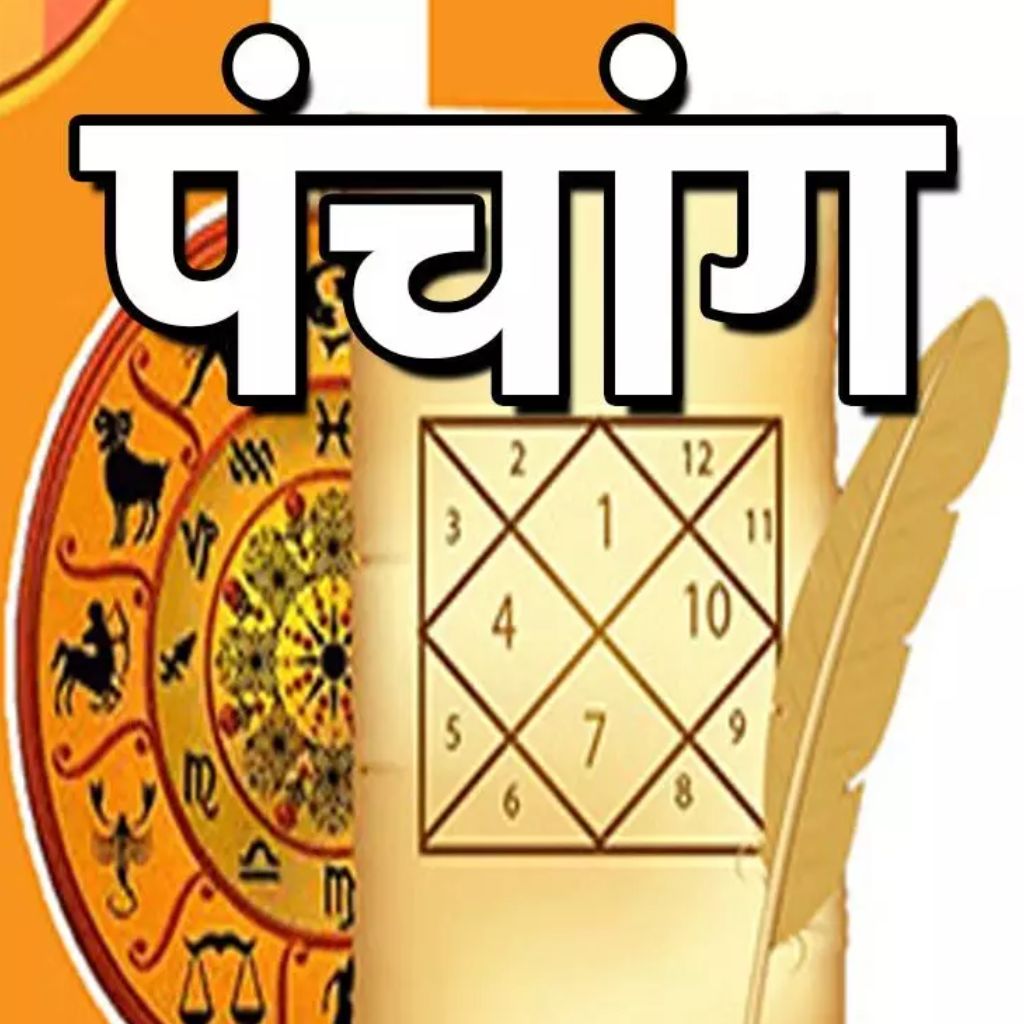
Technology has made Vikram Samvat more accessible than ever. Popular apps and websites are easy to access on mobile, providing detailed information about tithi, nakshatra, muhurat, festivals, and data based on the Vikram Samvat Hindu calendar.
There are some popular apps and websites, like: Panchang apps, Astrology websites, Digital Hindu calendars, Muhurat calculators, Drik Panchang, and AstroSage Panchang
Social Media and Cultural Awareness
Social media has become a powerful tool in spreading awareness about Vikram Samvat and the traditional calendar system in India. Platforms like YouTube, Instagram, Facebook, and blogs are helping people learn about ancient Indian astronomy, Panchang, festivals, and cultural practices engagingly.
Social media campaigns, reels, and educational videos have made complex topics like lunar calendars, nakshatras, and muhurat easy to understand. As a result, there is a growing interest in traditional knowledge systems, and more people are celebrating festivals with awareness of their historical and astronomical significance.
Vikram Samvat as a Bridge Between Tradition and Modern Life
Vikram Samvat is not just a calendar; it is a civilizational system of timekeeping. It connects humans with nature, cosmos, and spirituality while preserving ancient Indian knowledge.
In modern India, where technology and tradition coexist, Vikram Samvat acts as a bridge between the past and the future. It allows Indians to live in a globalized world while staying connected to their cultural roots.
As long as India values spirituality, culture, and heritage, Vikram Samvat will remain important in modern India.
Frequently Asked Questions About Vikram Samvat
-
What year is it in Vikram Samvat now?
Vikram Samvat is about 56-57 years ahead of the Gregorian calendar. Currently, when the world is living in the year 2026, Vikram Samvat is 2083, starting from 19th March 2026.
-
Who started Vikram Samvat?
Vikram Samvat was started to honor King Vikramaditya of Ujjain, a legendary ruler known for justice, sacrifice, and culture.
-
What is the leap month in Vikram Samvat?
The leap month is called Adhik mass, added to synchronize lunar months with the solar year, ensuring seasons remain accurate and on time.
-
Is Vikram Samvat having a scientific reason?
Vikram Samvat is based on astronomical calculations of lunar and solar cycles, reflecting advanced knowledge of celestial mechanics and timekeeping. Science follows ancient Indian scientists for this.
-
Which calendar is used for Hindu festivals, Indian governments, and stock traders?
The Hindu festivals follow the Vikram Samvat Panchang as they depend on lunar phases; the government of India uses the Shaka Samvat for official national holidays, and the Gregorian calendar for official documents and stock traders uses Gregorian calendar along with Vikram Samvat for muhurat.


7 Comments