
Vikram Samvat guides ancient rituals and festivals and strengthens Indian religious beliefs in everyday life. Vikram Samvat is not just an old way to measure time but a living cultural treasure.
Its importance goes beyond dates; it influences temples, farming seasons, and family traditions. Its oldest calendar in the world, ahead of the Gregorian calendar by 56-57 years, marking the year 2083. Whether you see Vikram Samvat 2083 written on a temple wall or check festival dates online, you can notice a beautiful mix of tradition and modern technology together.
Table of Contents
10 Amazing Facts About the Oldest Calendar in the World
1. Birth and Historic Roots of Vikram Samvat
- Vikram Samvat is over 2,000 years old, considered one of the oldest calendar of the world.
- It is believed to have started in 57 BCE, showing the deep cultural roots of India.
- Yeh sirf calendar nahi, hamari Parampara ka hissa hai, keeping culture, festivals, traditions, and roots alive.
- The calendar is believed to have started after King Vikramaditya, who began this era after a great victory, marking a period of pride, justice, wisdom, and prosperity.
2. Vikram Samvat Is Ahead of the Gregorian Calendar
- Vikram Samvat is 56–57 years ahead of the Gregorian calendar. For example: Gregorian 2026 ≈ Vikram Samvat 2083.
- It began in 57 BCE, whereas the Gregorian calendar starts from 1 CE, which creates a year gap between the two systems.
- Vikram Samvat uses traditional lunar/solar month names like Chaitra, Vaisakha, and Kartika instead of January, February, etc.
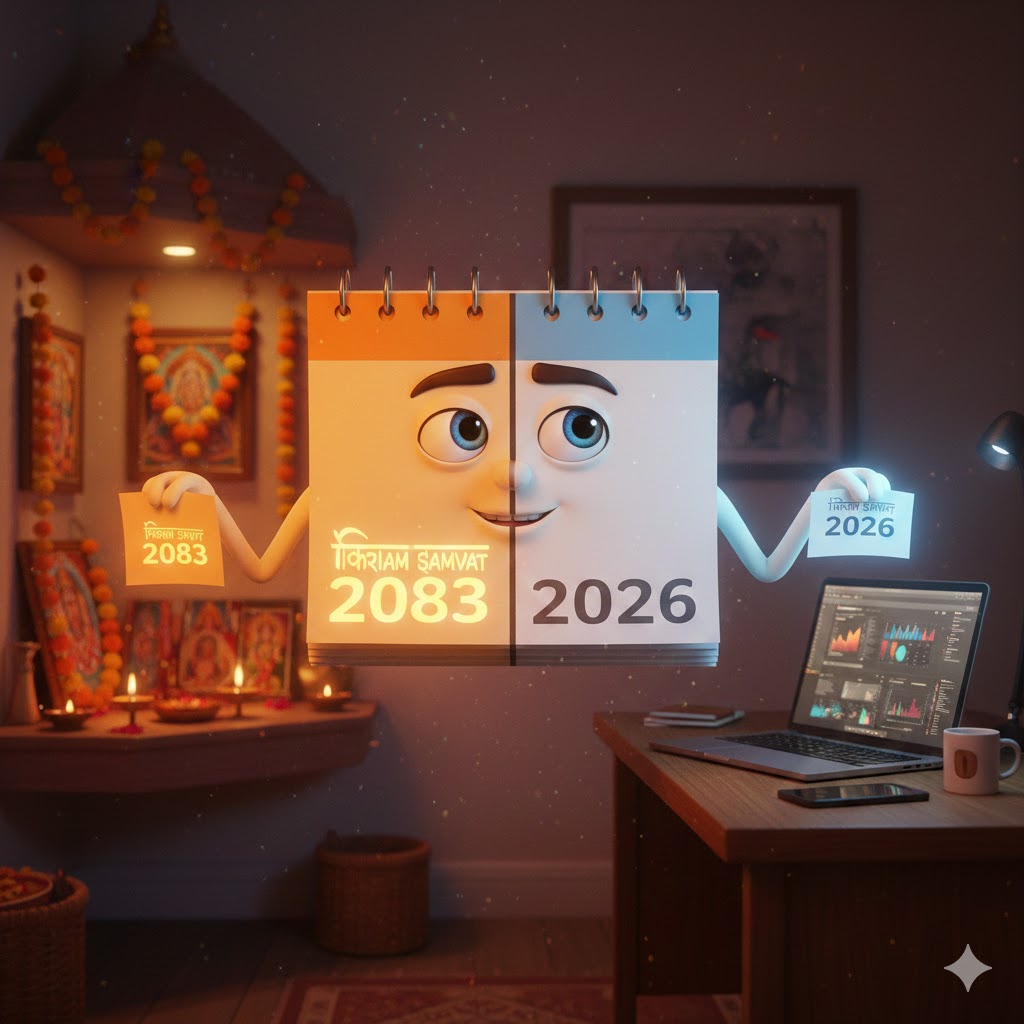
3. New Year Does Not Begin on January 1
The New Year marks its beginning in March or April, during the month of Chaitra as per Calander Vikram Samvat. This is when the season of spring begins, symbolizing a new beginning.

4. Deep Connection with Indian Religious Beliefs
- The Vikram Samvat calendar has a deep-rooted connection with Indian religious beliefs, advising on when to pray, fast, and perform temple rituals.
- It helps in understanding Hindu religious events, panchang details, and traditional events.
- The religious pattern of Indian culture would no longer have its traditional setting.
5. Astrology and Horoscope Matching
Astrologers rely heavily on Vikram Samvat calculations for making birth charts, finding auspicious dates, and matching horoscopes for marriage.
6. Leap Month- Adhik Mass
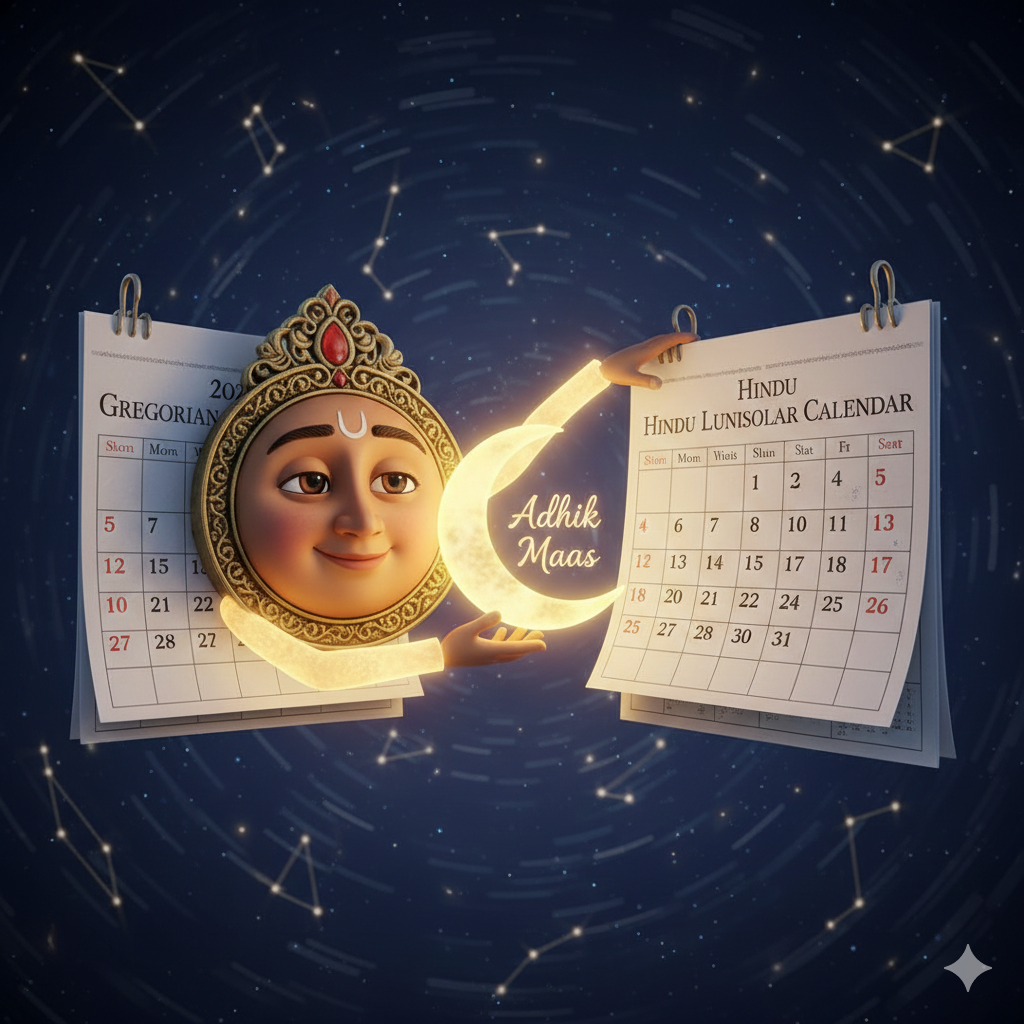
- An extra month called Adhik Mass is added to align the lunar and solar calendars.
- It comes after every 2-3 years in the Vikram Samvat calendar.
- It is believed to be very pious and perfect for fasting, prayers, and donations.
7. Celebrations Differ Each Year
The festivals fall on different dates every year as the Vikram Samvat calendar is lunisolar. For example: Holi was on 14 March 2025, & while this year, 4 March 2026, Diwali was on 20 October 2025, and this year it will be on 8 November 2026.
8. Widely Used in Wedding Planning
- Marriage dates are frequently selected based on Vikram Samvat auspicious timings.
- Wedding cards often print the Vikram Samvat year along with the English date.
- Families consult priests and astrologers to ensure prosperity and harmony.
9. Alignment with seasons and agriculture
- Vikram Samvat follows seasonal changes and natural cycles.
- Farmers use ancient rituals and festivals used it for sowing and harvesting decisions.
- Months are linked with weather patterns and crop timings. It keeps festivals connected with the right seasonal environment.
10. Still Relevant in the Digital Age
- Many mobile apps and online panchangs show Vikram Samvat dates.
- People use digital converters to match Gregorian and Vikram Samvat years.
- The festival reminders and muhurat alerts are easily available online.

A Living Link to Ancient Civilizations
It is necessary to know the interesting facts about Vikram Samvat 2083 to know how civilizations keep their identity intact through the years. Even in today’s fast-changing world, this calendar shows that even though technology changes, its link with culture keeps it intact. Yeh sirf calendar nahi, hamari parampara ki pehchaan hai.
Vikram Samvat, the oldest calendar in the world, is not only old but also living. Many old calendars are now extinct, but this is still being followed in its religious and festival forms. Even in today’s modern era, it shows that our culture is still very much alive.
Frequently Asked Questions about the Oldest Calendar in the World
-
Why is Vikram Samvat called the oldest calendar in the world?
Vikram Samvat started around 57BCE and has been continuously used for over 2,000 years, from the roots and rituals of festivals, culture, and daily religious practices.
-
When does the Vikram Samvat New Year begin?
It usually starts in the month of Chitra, falling in month of March- April. In the year 2026, it will start on 19th March 2026.
-
Is Vikram Samvat still relevant in today’s digital world?
Yes, many mobile apps, online panchangs, and digital converters now display Vikram Samvat 2083 and other years alongside the Gregorian dates.


2 Comments