ॐ गं गणपतये नमः।
Om Gam Ganapataye Namah
Meaning: I bow to Lord Ganesh, to remove all obstacles and the bless everyone with wisdom, and auspicious beginnings.
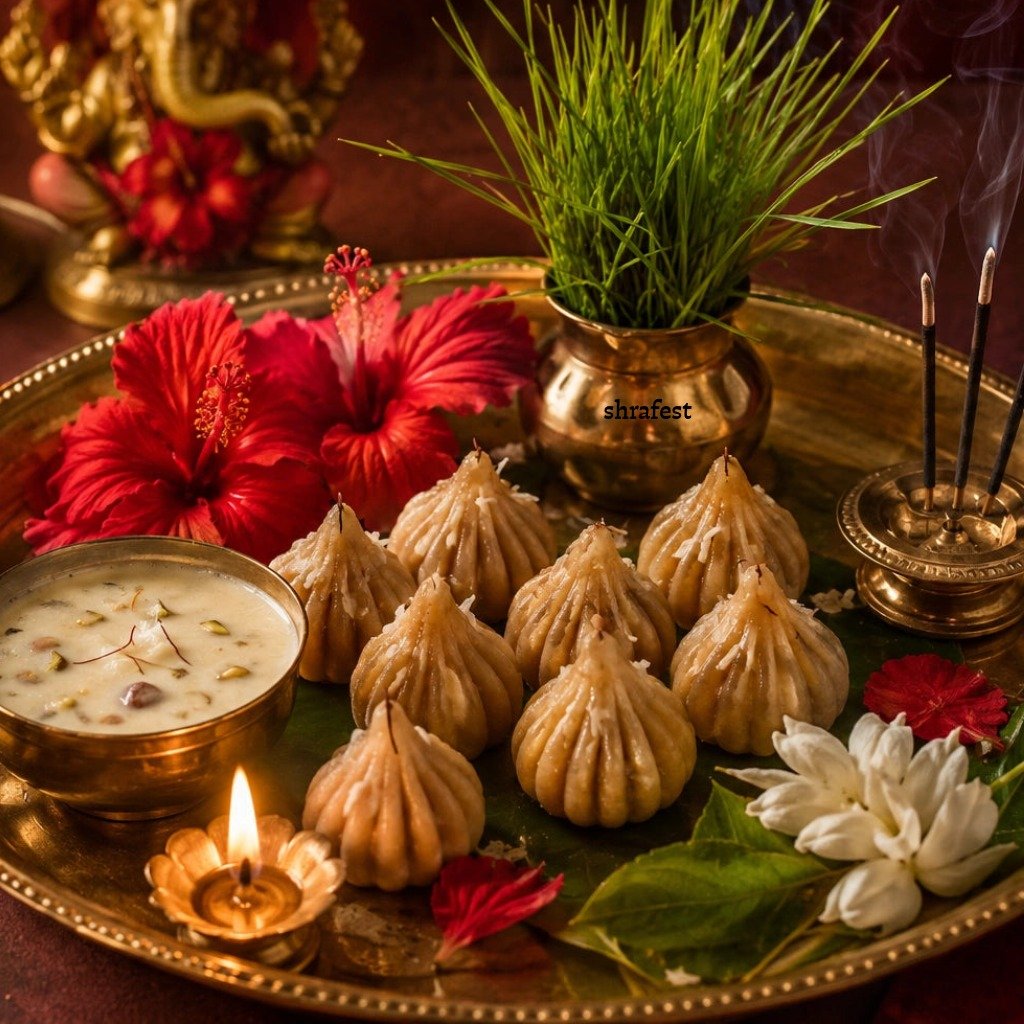
As soon as you hear dhol sound, flowers fragrance around you, fragrance of incense and in sweet shops you find Modak, it is time to welcome Ganpati, the most awaited festival all over India, especially in Maharashtra.
Ganesh Chaturthi is a celebration that brings together faith, families, stories, friends, and traditions from roots to rituals. Ganesh Chaturthi marks the birth of Lord Ganesha, the beloved elephant-headed son of Lord Shiva and Goddess Parvati. The festival usually falls in the Hindu month of Bhadrapada, during the Shukla Paksha Chaturthi.
The celebration begins with sathapana of Ganesh ji and ends with Ganesh Visarajan or anant chaturdashi, where devotees bid farewell to Bappa. This year celebration will begin on 14 Sep 2026 and will end on 25 Sep 2026.
3 stories related to Ganesh Chaturthi
With the celebration, there are countless stories associated with Ganesh ji, among one of them we all aware of his birth and elephant head. But have you ever wondered why we avoid looking at the moon on a particular day? Why does Ganesha have a broken tusk? And why do we bring him home only to bid him farewell through visarjan?
1. Why not to view the moon or moon curse?
One of the most interesting Ganesh Chaturthi stories is about Chandra, the Moon God, also read other story related to sawan about chandra dev.
After eating many modaks, Lord Ganesha was returning home when he fell from mushak as it got scared. Chandra laughed at him stating he is so fat, which angered Ganesha. He captured moon and closed in door, letting theft and other criminal activities act.
Chandra realised his mistake and sincerely apologised. He cursed Chandra, saying that anyone who looked at the moon on Ganesh Chaturthi would face false accusations.
The lesson: Pride and mockery can have consequences, while humility and forgiveness restore harmony.
Seekho, smile karo, aur Bappa ka naam lo!
2. Broken tusk related to Mahabharat and Curse to maa sawarsati river
One famous legend connects broken tusk with the Mahabharata of Lord Ganesha.
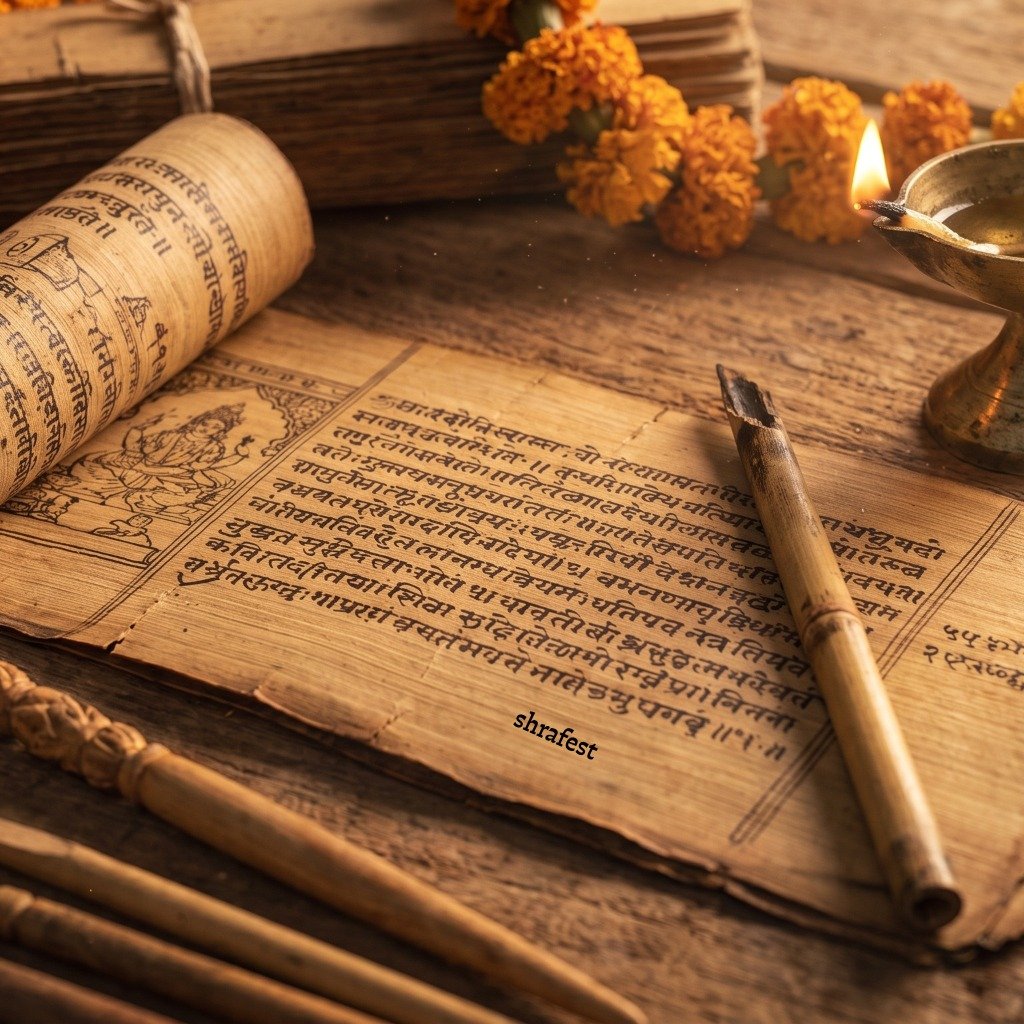
Sage Vyasa asked Ganesha to write the epic without stopping. When writing instrument, mor pankh broke, Ganesh ji broke one of his own tusks and continued writing without pause, as he promised to Ved Vyasa.
His broken tusk thus became a symbol of sacrifice, determination, knowledge, and dedication.
Regional folklore also tells a story about Lord Ganesha and Goddess Saraswati. According to one tradition, the sound of the Saraswati River’s flow was so loud that it disturbed Ganesha. Despite repeated requests to reduce the noise, the flow continued. In anger, Ganesha cursed the Saraswati River to flow beneath the earth, and can be found only in Mana Gaon, first village of India.
3. Why Do We Perform Ganesh Visarjan in Water?
Have you ever wondered why Bappa is specifically immersed in water?
One traditional story connects this practice with the time when Lord Ganesha wrote the Mahabharata for Sage Vyasa. According to a later traditional account, Ganesha wrote continuously for a long time, causing his body to become extremely warm. Water was used to cool and purify Him.
Over time, this idea became associated with the tradition of Ganesh Visarjan after spending days with devotees, Bappa is lovingly taken to water for his final immersion.
And as devotees chant, “Ganpati Bappa Morya, Pudchya Varshi Lavkar Ya!”, the farewell carries a beautiful hope that Bappa will return again next year.
Top 4 food to offer to Ganesh ji
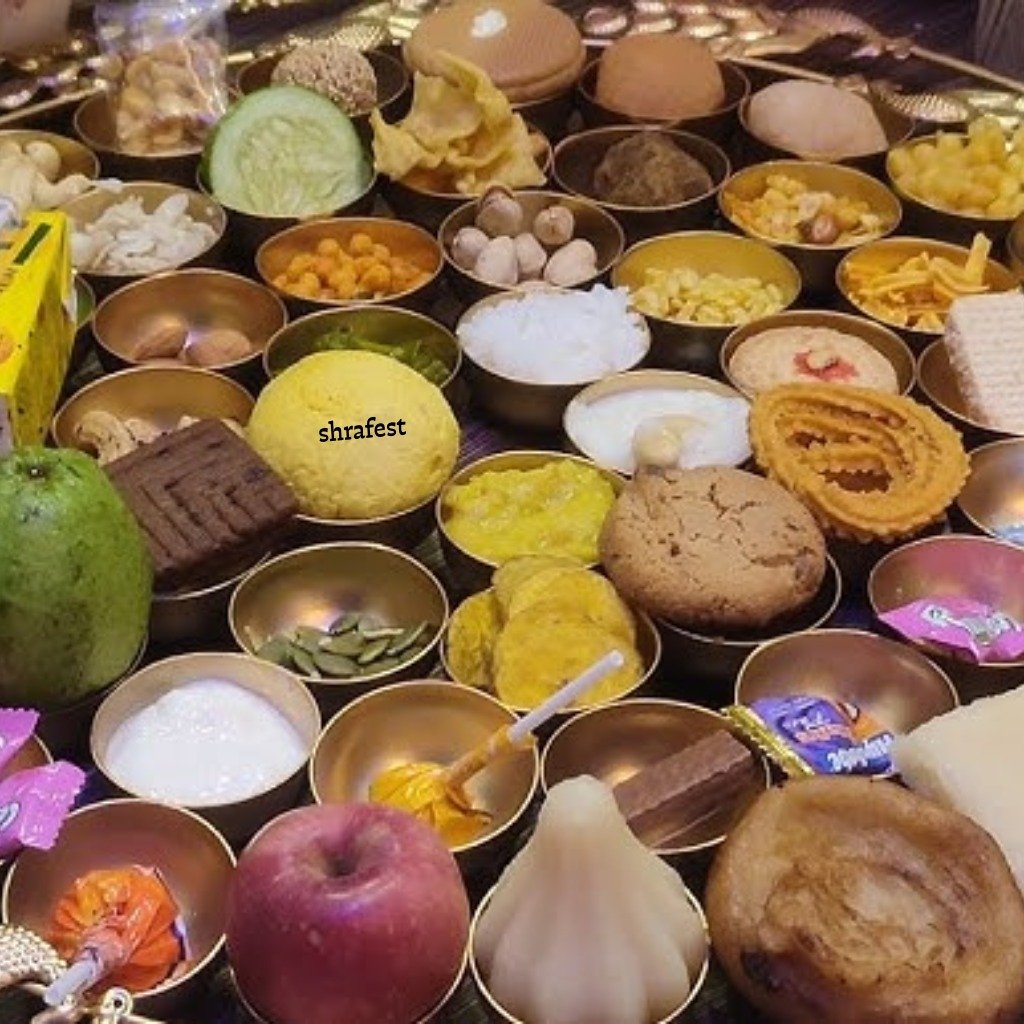
Food is an important part of Ganpati celebrations. Offerings are prepared with devotion and later shared as prasad with family and guests as per selfcare routine tips.
1. ModaK: The Iconoic Offering
Traditional steamed modaks are commonly prepared with rice flour, coconut, and jaggery. Other varieties include fried modak, chocolate modak, dry-fruit modak, and many modern versions.
The sweet filling represents the sweetness of knowledge and spiritual wisdom.
2. Ladoo: Cheerful addition
Ladoos are another popular offering during Ganesh Chaturthi. Besan ladoo, motichoor ladoo, coconut ladoo, and other regional varieties can be included in the bhog.
3. Seasonal fruits specially bananas
Fresh fruits are a simple and traditional offering. Bananas are especially popular in puja offerings because they are easily available and considered auspicious.
You can also offer apples, pomegranates, oranges, pears, or other seasonal fruits.
4. Kheer: Simple and Work Beautifully
Creamy rice kheer made with milk, rice, sugar, cardamom, and dry fruits is another delicious choice for bhog.
Bhog simple ho ya elaborate, intention sabse important hai.
Top 4 home decoration ideas under ₹1000
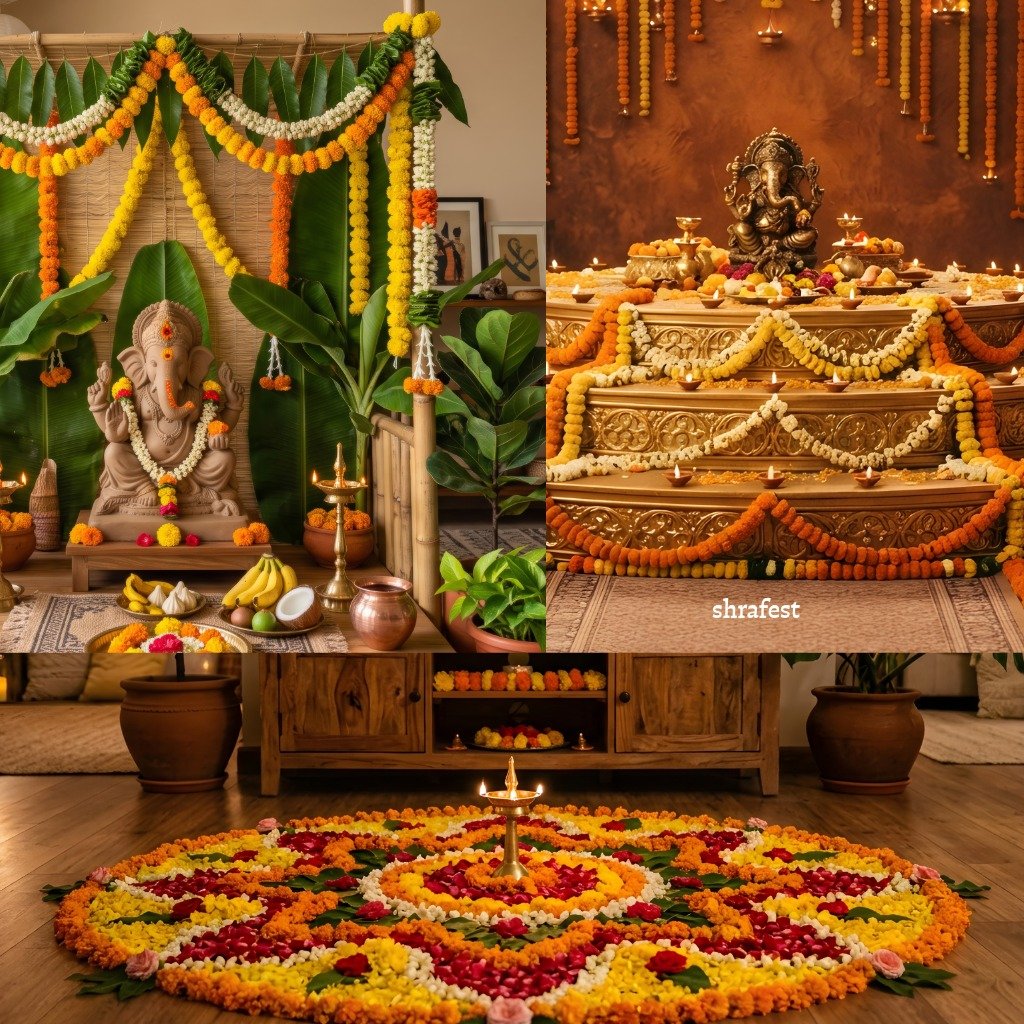
You do not need an expensive set up to make your home look festive. With a little creativity, everyday materials can become beautiful Ganpati decoration at home.
Here is top 4 home decoration ideas for Ganpati under your budget ₹1000.
1. Marigold Theme: Bright, Traditional, and Devotional
Create a classic festive look using yellow and orange marigold flowers, green banana leaves backdrop, and simple setup to make devotion look Indian inspired from root to rituals.
2. Net Curtain and Hanging Shimmers: Royal and vibrant
Create an elegant and festive Ganpati backdrop with soft net curtains paired with hanging shimmers. The combination adds a beautiful layered look while making the puja space feel bright, graceful, and celebratory.
3. Lotus and Pink Gold theme: Soft, elegant and divine
Use pink-white flowers, lotus hangings, golden decorative elements for a rich traditional appearance, and create a peaceful and graceful setting.
4. Village Inspired Theme: From Roots to Rituals
Use earthy colors, hand made Ganesh using clay with flower seeds, and simple handmade elements for a rustic Indian look. You can add beautiful door toran, bells, and small hangings and keep décor minimal.
Shop Ganpati Decoration Essentials
Bring your favourite Ganpati decoration theme to life with these simple festive essentials. (This article may contain affiliate links. If you purchase through these links, we may earn a small commission at no extra cost to you.)
| Items | Product 1 Link to Buy | Product 2 Link to Buy | Product 3 Link to Buy |
| Incense Burner | Click Here to Shop | Click Here to Shop | |
| Modak Maker | Click Here to Shop | Click Here to Shop | Click Here to Shop |
| Marigold Flowers | Pack of 5 | ||
| Banana leaf backdrop | Click Here to Shop | ||
| Net curtain | Click Here to Shop | Click Here to Shop | Click Here to Shop |
| Handmade DIY | Click Here to Shop | ||
| Mini Bells | 25 Set of Bells | ||
| Other Decorative Items | Diya Bowl | Diya Bowl | Mogra Flower |
Welcome Bappa, Celebrate the Meaning
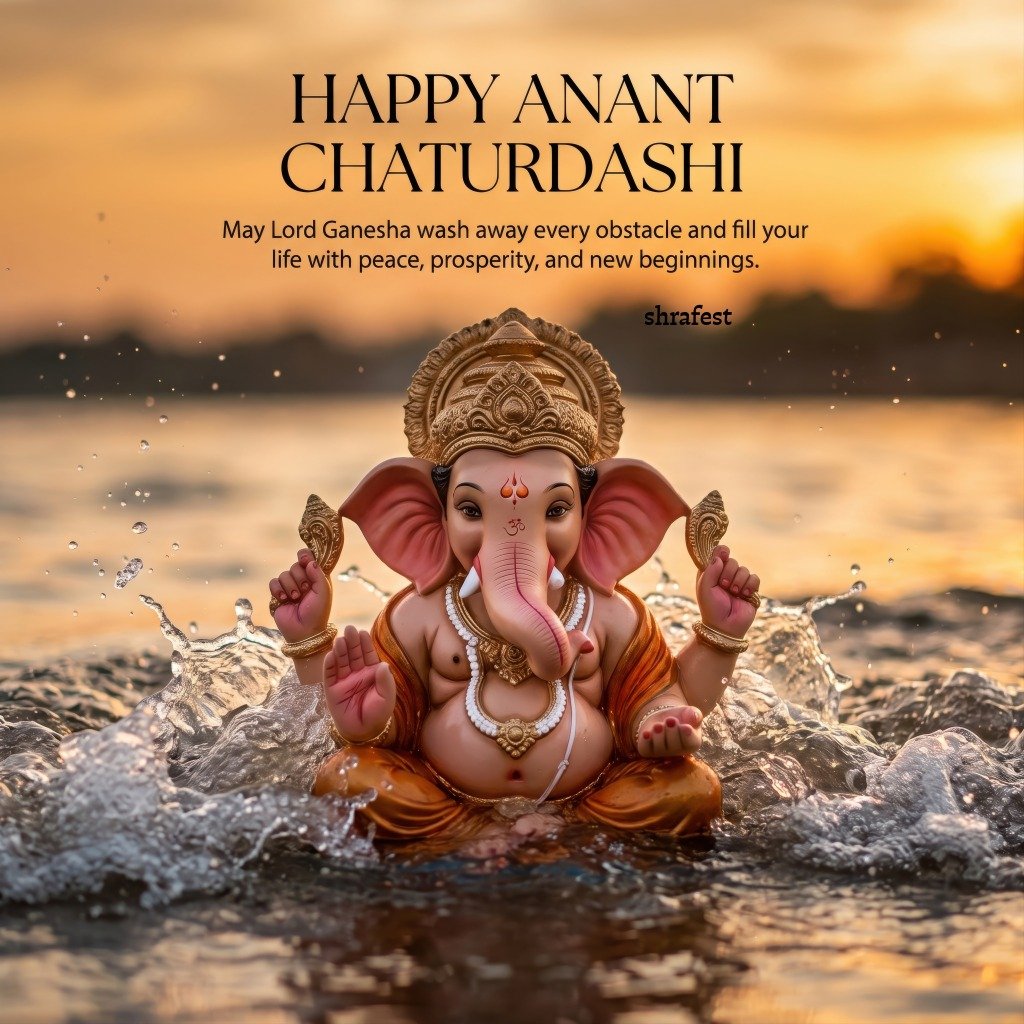
The Ganesh Chaturthi stories remind us about humility, wisdom, sacrifice, forgiveness, and the importance of letting go. The rituals teach us that devotion is not only about grand celebrations. It is about the feelings behind them.
So, this year, decorate your home with whatever you have, prepare a simple bhog, tell the old Ganesh stories to the younger generation, and celebrate with an open heart.
Whether you choose a grand setup or a tiny corner for Bappa, remember:
Bhakti mein dikhawa nahi, dil ki sachchai zaroori hai.
May Lord Ganesha bless every home with wisdom, happiness, peace, prosperity, and new beginnings.
Ganpati Bappa Morya!
Frequently asked questions about Ganesh Chaturthi
-
When is Ganesh Chaturthi celebrated?
Ganesh Chaturthi is celebrated on the Shukla Paksha Chaturthi of the Hindu month of Bhadrapada as per Vikram Samvant Hindu Calander 2083.
-
How many days is Ganesh Chaturthi celebrated?
The celebration can last from one and a half days to 10 days, depending on family and regional traditions.
-
Why is Ganesh Chaturthi important in India?
Ganesh Chaturthi is one of the important hindu cultural festivals in India, bringing families and communities together through prayers, traditions, stories, and celebrations.
-
Who started the public celebration of Ganesh Chaturthi in Maharashtra?
Lokmanya Bal Gangadhar Tilak popularized the public celebration of Ganesh Chaturthi in Maharashtra in 1893 to bring people together, during British rule in India, it was based on festival budget planning.
-
What are the other names Lord Ganesha as per hindu culture?
There are 108 names of Lord Ganesha. Some of popular names are Vighnaharta (remover of obstacles), Ekadanta (the one with a single tusk), Ganjana (elephant faced), Ganpati (head of all ganas), and many more.