
“सावन सिर्फ एक महीना नहीं, बल्कि महादेव की भक्ति, अटूट विश्वास, तपस्या और दिव्य कृपा से जुड़ी अनगिनत कहानियों का पावन संगम है।”
Every year, as the first monsoon showers turn the earth lush green, something magical begins across India.
Temple bells echo through the morning air. The fragrance of wet soil mixes with incense. Devotees dressed in saffron walk barefoot carrying sacred Gangajal. Everywhere you hear powerful chants
“ॐ नमः शिवाय।” … “हर हर महादेव!”
But have you ever wondered why millions wait so eagerly for Shravan Maas every year? Why is Lord Shiva worshipped with Gangajal instead of grand offerings? Why do devotees fast every Monday? Why do Kanwariyas travel hundreds of kilometres on foot? Is it simply tradition… or is there something much deeper?
The answer lies in ancient legends that have been passed down for thousands of years. These are not just mythological tales they explain the origin of almost every ritual followed during Shravan. If you are looking for everything about sawan festival, this complete guide uncovers the amazing stories behind sawan.
Table of Contents
Shravan Month 2026 Dates & Spiritual Importance
Shravan month 2026 is expected to begin on 30 July 2026 and conclude on 28 August 2026 with celebration of Rakshabandhan.
It is believed that during Shravan, Lord Shiva becomes especially receptive to sincere prayers. Devotees observe sawan somwar vrat, perform Rudrabhishek, offer Gangajal, Bel Patra, milk, honey, light dhoop using dhoop dani and chant “Om Namah Shivaya” seeking peace, prosperity, health, and spiritual growth.
4 Amazing Stories Behind Sawan
The beauty of Shravan does not lie only in fasting or temple visits. Its true essence lies in the incredible stories that transformed simple acts of devotion into timeless traditions. Each legend carries a powerful life lesson that remains relevant even today.
Story 1: Samudra Manthan – The Sacrifice That Saved the Universe
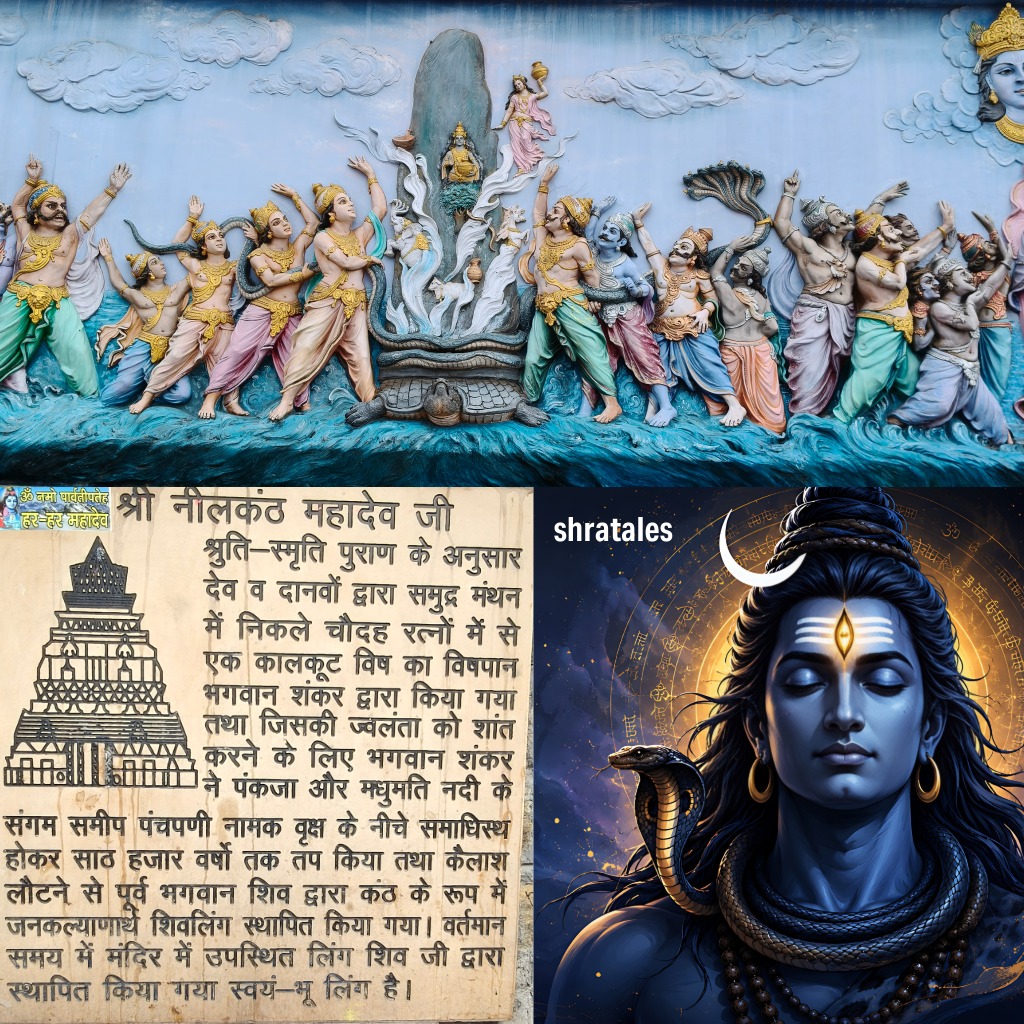
Among all the mythological stories of shravan month 2026, this is perhaps the most famous.
Long ago, the Devas and Asuras decided to churn the cosmic ocean in search of Amrit, the nectar of immortality. Everyone expected treasures. Nobody expected disaster.
Before the Amrit Kalash appeared, an unimaginably dangerous poison called Halahal emerged. Its heat was so intense that the skies darkened, rivers trembled, mountains shook, and every living being feared complete destruction.
Neither the gods nor the demons had the courage to touch it.
Tab sabki nazar ek hi Dev par jaakar ruki Mahadev.
Without hesitation…Without expecting anything in return… Lord Shiva drank the entire poison. The universe was saved.
But Shiva Himself began suffering from unbearable heat. Seeing this, Goddess Parvati gently held His throat so the poison would not spread through His body. The poison remained in His neck forever. From that day, Lord Shiva became known as Neelkanth Mahadev.
How This Story Created Jalabhishek?
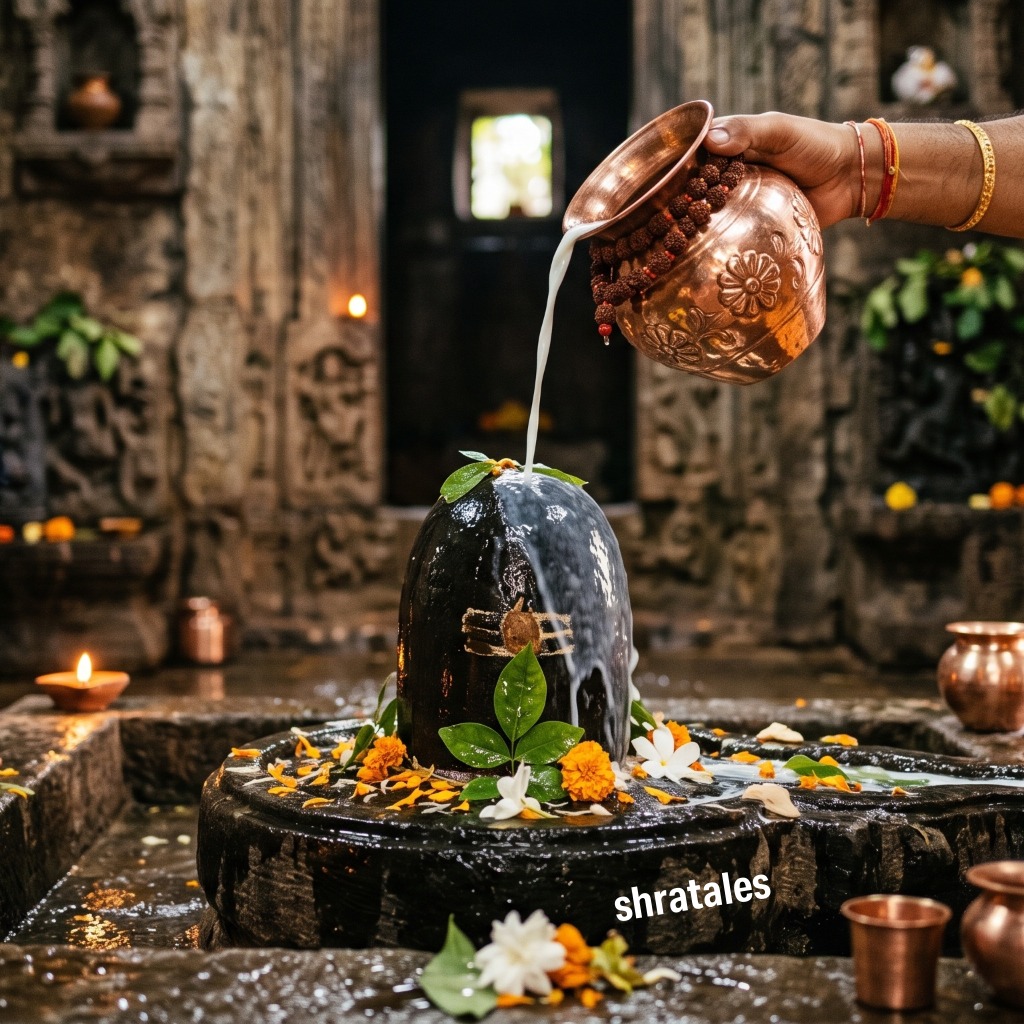
The poison continued burning inside Shiva. To cool Him, the Devas continuously poured sacred water from Maa Ganga over Him. This act of gratitude slowly became the tradition we know today as Jalabhishek. Even today, millions of devotees carry Gangajal during Shravan and lovingly offer it to the Shivling. Every drop of water is not just an offering its blessing that Shiv take whatever is offered to him with love and save his devotees.
Story 2: The Origin of Kanwar Yatra
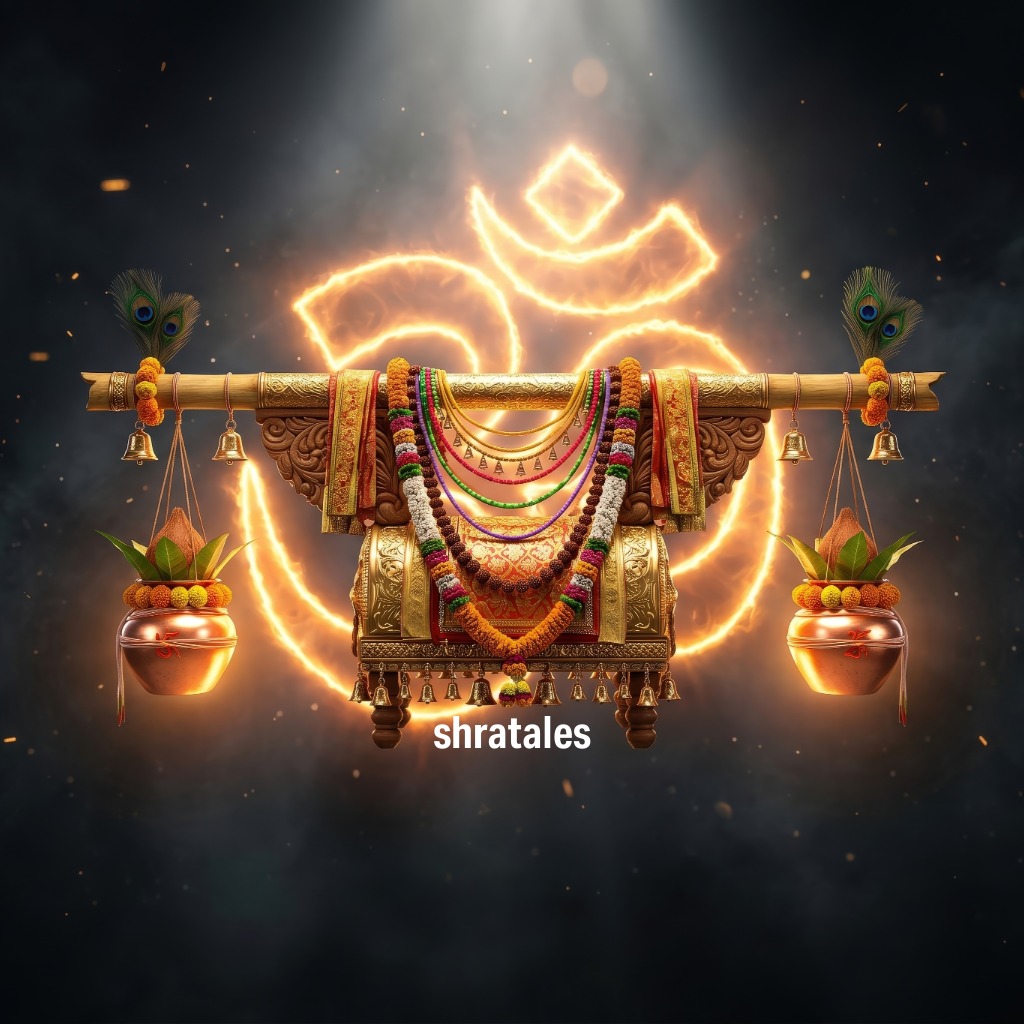
Every Shravan, highways across North India turn orange. Lakhs of Kanwariyas walk barefoot for days carrying beautifully decorated Kanwars filled with Gangajal.
For many outsiders, it appears to be just another religious procession. But in reality… It is one of the greatest acts of devotion in Hindu tradition, making it as religious festivals of India.
Most scholars connect its origin to the story of Samudra Manthan. After consuming Halahala poison, Lord Shiva is body became unbearably hot. Devotees travelled long distances carrying sacred Ganga water to cool Him through Jalabhishek, if they were not able to travel they offered milk, curd, honey, belpatra, bhang etc. whatever is available.
Another respected tradition credits Bhagwan Parshuram with encouraging devotees to offer Gangajal at Shiva temples during Shravan.
One of the most revered destinations remains the ancient Pura Mahadev Temple, Baghpat, Meerut, Uttar Pradesh. Even today, countless Kanwariyas collect Gangajal from Haridwar and walk hundreds of kilometres before offering it to Lord Shiva.
यही है सच्ची शिव भक्ति।
Story 3: Markandeya Rishi – The Devotee Who Conquered Death
“भक्ति में ही शक्ति होती है।”
When faith becomes stronger than fear, even destiny can change. Shravan reminds us that true devotion is not measured by grand rituals, but by sincere faith. Asli bhakti dil se hoti hai. Whether it is offering Gangajal or chanting “ॐ नमः शिवाय,” Lord Shiva values devotion above all else.
If there is one more mythological stories of shravan mmonth 2026 that truly reflects the spirit of Shravan, it is the legend of Markandeya Rishi a timeless example of unwavering devotion.
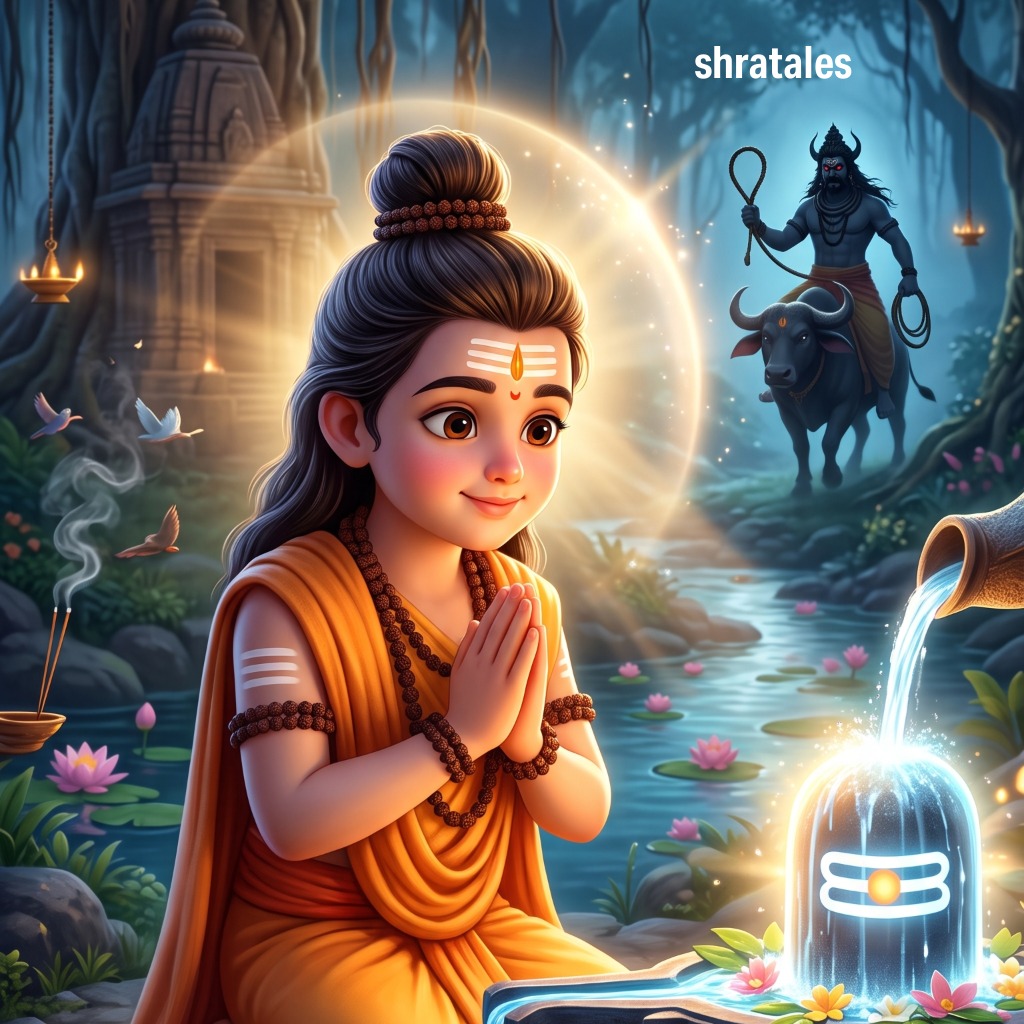
According to the scriptures, it was foretold at his birth that Markandeya would live only sixteen years. लेकिन उन्होंने अपनी नियति से डरने के बजाय भगवान शिव की भक्ति को अपना जीवन बना लिया। Every day began with prayers, ended with meditation, and his lips constantly chanted “ॐ नमः शिवाय।”
When his destined time arrived, Yamraj came to take him away. But Markandeya did not panic. वह शिवलिंग से लिपट गए और पूरे विश्वास के साथ महादेव को पुकारने लगे।
As Yamraj threw his noose, it fell around the Shivling. Instantly, Lord Shiva reach and appeared in his fierce Mahakaal form, stopped Yamraj, and blessed Markandeya with Chiranjivi (immortality) for his unwavering faith.
Story 4: Chandra Dev Curse and the Mystery of the Moon
गलतियाँ हर इंसान से होती हैं, लेकिन सच्चा पश्चाताप जीवन बदल सकता है। Genuine repentance and sincere devotion can turn even the harshest consequences into new beginnings.
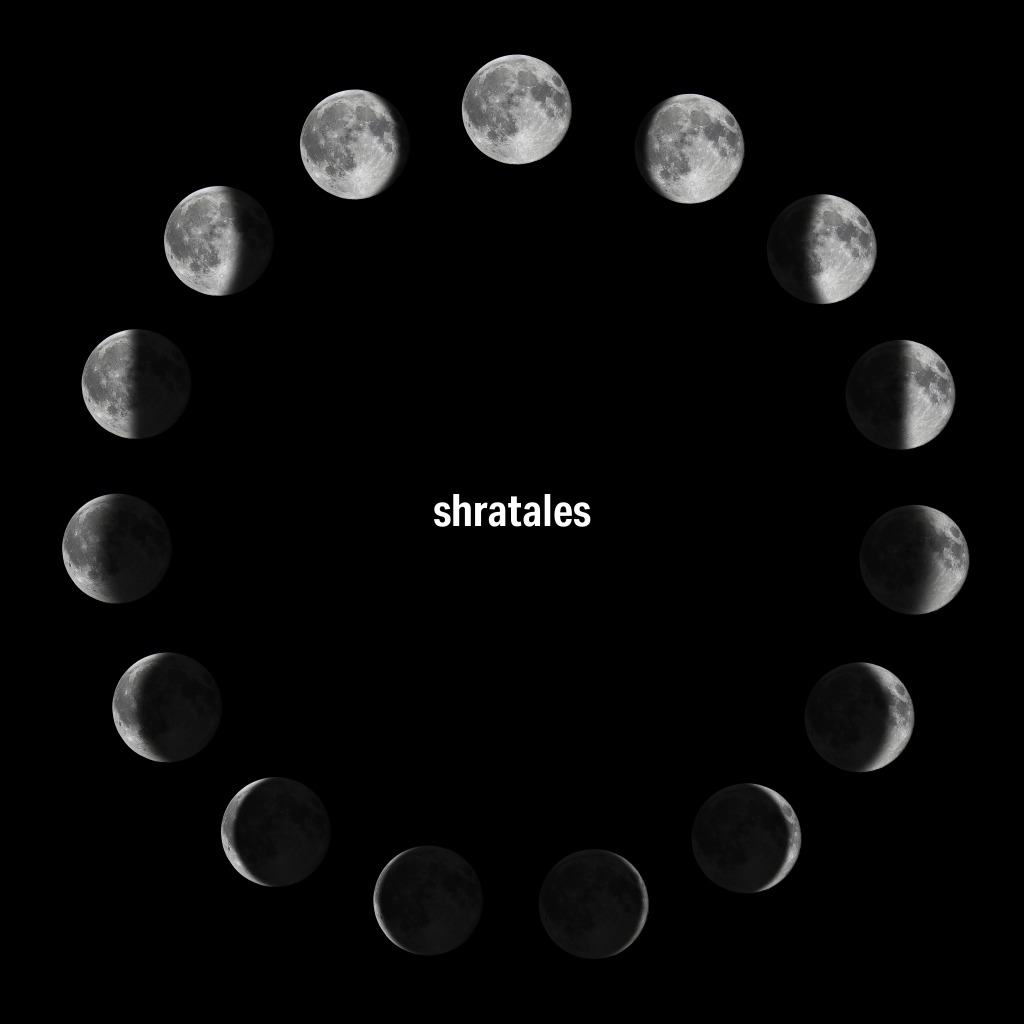
Have you ever wondered why the Moon changes its shape every month?
According to Hindu mythology, the answer lies in the story of Chandra Dev, the Moon God. King Daksha had twenty-seven daughters, all of whom were married to Chandra. However, Chandra loved only Rohini, neglecting his other wives.
इस पक्षपात से आहत होकर बाकी पुत्रियों ने अपने पिता से शिकायत की। Enraged, King Daksha cursed Chandra to gradually lose his radiance.
Day by day, the Moon grew dimmer, and nature itself began to lose its balance.
Realising his mistake, Chandra Prabhas Kshetra पहुंचे और भगवान शिव की कठोर तपस्या करने लगे। His unwavering devotion continued until Lord Shiva finally appeared.
Instead of removing the curse completely, Shiva transformed it into a cycle. Tabhi se Chandrama har mahine घटता भी है और फिर बढ़ता भी है, giving rise to the solar and lunar phases of the Moon.
To honour Lord Shiva, the sacred Somnath Jyotirlinga was established at Prabhas Kshetra. Even today, thousands of devotees visit Somnath during Shravan to seek peace, prosperity, and emotional balance.
What Makes Sawan So Special?
The shravan month explained 2026 is not just about rituals it is about understanding the stories behind them.
Offering Gangajal symbolizes gratitude, sawan somwar vrat teaches discipline, and the Kanwar Yatra reflects devotion and perseverance. Together, these traditions make sawan a sacred month of faith, humility, and spiritual growth dedicated to Lord Shiva.
The Timeless Wisdom of Shravan Month
The amazing stories behind sawan are far more than ancient legends they are the foundation of the rituals and traditions followed during Shravan Maas. From the sacred offering of Gangajal to the Kanwar Yatra and Sawan Somwar Vrat, each story carries a powerful message of faith, sacrifice, compassion, and unwavering devotion that continues to inspire millions of devotees even today.
Frequently asked question about mythological stories of sharavan month 2026
-
What are the dates of Shravan Month 2026?
According to the North Indian calendar, Shravan Month 2026 is expected to begin on 30 July 2026 and conclude on 28 August 2026. Dates may vary by region as per cultural festival of India.
-
Who started first kanwar yatra?
According to history, first kanwar yatra was started by Bhagwan Parshuram, and he lifted gangajal from Haridwar to Pura Mahadev mandir, Baghpat, Meerut, UP, and this tradition is still followed by many devotees.
-
What is the significance of Sawan Somwar Vrat?
The Monday fast observed during Shravan is believed to bring blessings of Bhagwan Shiv for health, peace, prosperity, marriage, and spiritual growth. Also it brings out your natural glow by followy daily selfcare routines.
-
What are the main rituals performed during Sawan?
Major Sawan rituals include Sawan Somwar Vrat, Rudrabhishek, Jalabhishek with Gangajal, and offering Bel Patra and datura. However, Lord Shiva, lovingly called Bhole Baba, accepts sincere devotion in any form.

2 Comments