Table of Contents
The Sacred Journey of Maa Ganga on Earth
Among the many religious festivals of India, Ganga Dussehra holds a special place in Hindu culture and spirituality. Celebrated with deep devotion across North India, this sacred festival marks the divine arrival of Maa Ganga from heaven to earth. It is one of the oldest and most respected hindu cultural festivals in India, symbolizing purity, salvation, faith, and the eternal connection between humans and nature.
When is Ganga Dussehra?
Ganga Dussehra is celebrated during the Hindu month of Jyeshtha, usually in May or June, and continues for ten days until Dashami tithi, 25th May 2026, this year. Devotees believe that bathing in the holy river during this period washes away sins and brings peace, prosperity, and positivity into life.
How Maa Ganga River Came to Earth?
According to Hindu mythology, King Bhagirath performed years of severe tapasya to bring the heavenly river Ganga to earth so that his ancestors could attain moksha. Pleased by his devotion, Lord Brahma allowed Ganga to descend from heaven. However, her powerful force could have destroyed earth, so Lord Shiva held her within his matted locks (jata) and gently released her streams onto the Himalayas. This divine event explains the deep spiritual importance of Ganga Dussehra and why Maa Ganga is worshipped as a goddess of purification and compassion.
From Himalayas to the Plains: The Journey of River
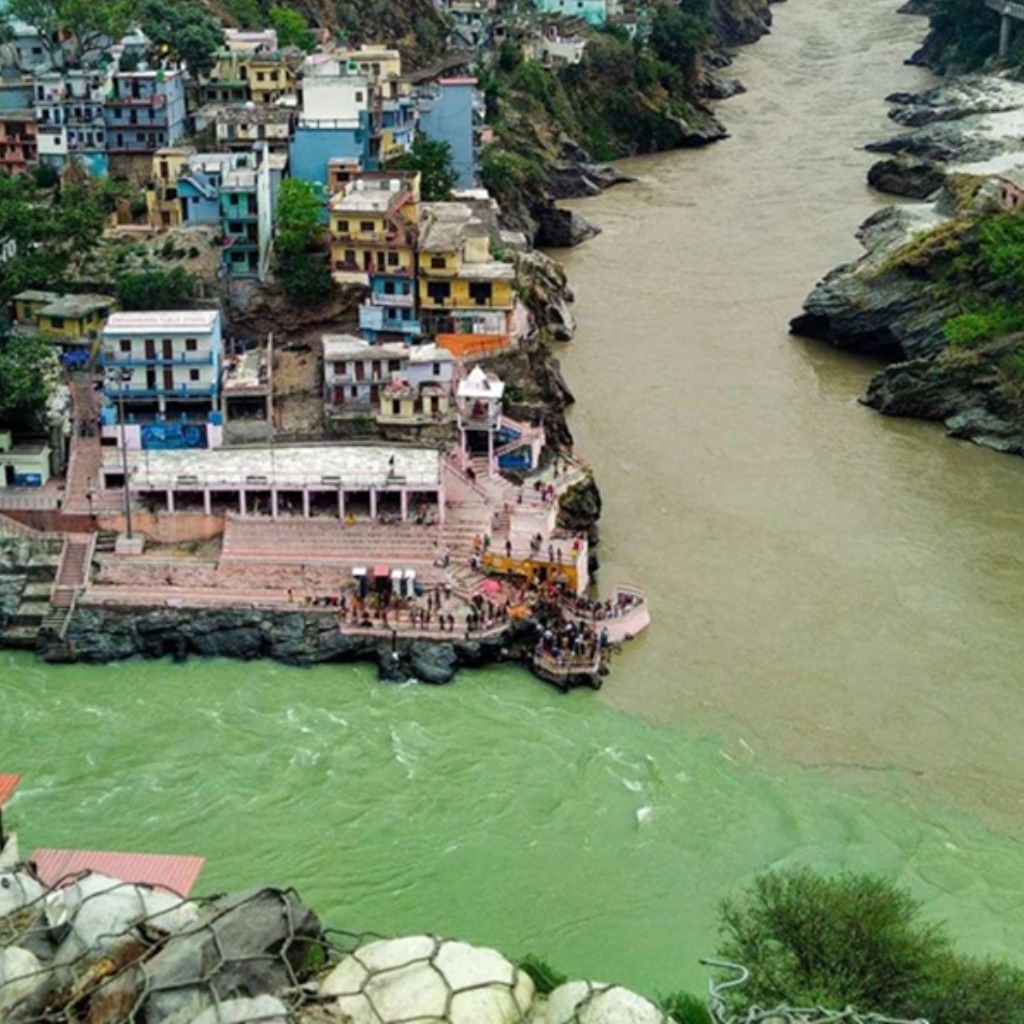
The sacred Ganga originates from the Gangotri Glacier in Uttarakhand, where the river is first known as Bhagirathi. At Devprayag, Bhagirathi meets the Alaknanda River, and together they officially become the River Ganga.
The Alaknanda flows through several holy Himalayan regions before joining Bhagirathi. From Devprayag, Ganga flows through spiritual cities like Rishikesh, Haridwar, Prayagraj, Varanasi, Patna, and Kolkata before finally merging into the Bay of Bengal through the Sundarbans delta.
The river flows across Uttarakhand, Uttar Pradesh, Bihar, Jharkhand, and West Bengal, supporting millions of people and acting as the cultural lifeline of India.
7 Spiritual Activities to Do to Celebrate Traditional Festivals of India
Here are 7 simple and meaningful things you can do on Ganga Dussehra for spiritual and personal growth.
1. Take a Holy Dip or Snan in Maa Ganga
The most important ritual of Ganga Dussehra is taking a holy dip in river. Devotees visit Haridwar, Varanasi, Prayagraj and Rishikesh to perform Ganga Snan. It is believed that this holy bath removes negativity and purifies the soul.
If you cannot visit the river, you can take a bath at home by adding a few drops of Gangajal in water. Mann se ki gayi bhakti sabse important hoti hai.
While taking bath, chant this simple mantra:
“ॐ श्री गंगायै नमः”
Meaning: I bow to Maa Ganga who blesses us with peace and purity.
2. Read, Listen or Recite Ganga Stotra and Mantras
Listening to Ganga Stotra or chanting mantras is considered highly auspicious. Sacred mantras create positive vibrations and calm the mind.
Here are some easy mantras:
“गंगे च यमुने चैव गोदावरी सरस्वति।
नर्मदे सिन्धु कावेरी जलेऽस्मिन् सन्निधिं कुरु॥”
Meaning: O holy rivers, please bless this water with your divine presence.
3. Light a Diya in the Evening
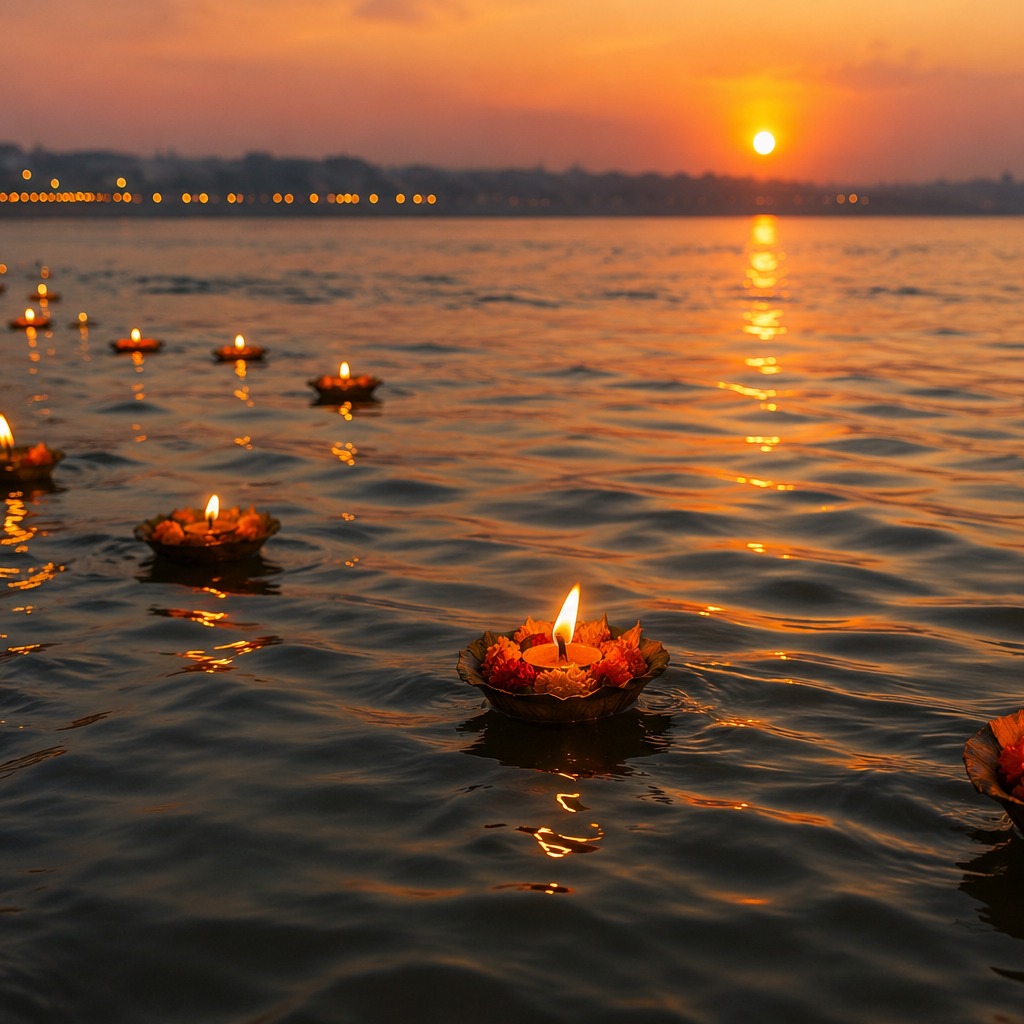
Lighting a diya in evening, symbolises positivity and removal of darkness from life. In the evening, devotees light diyas near river banks, temples or at home.
If you live near a river or pond, you can float a diya in water while praying for happiness and growth. Otherwise, simply light a diya before Maa Ganga’s picture at home.
As the diya glows, pray for health, peace and success. Yeh छोटी सी पूजा मन को बहुत शांति देती है.
4. Read the Story of King Bhagirath
The story of King Bhagirath teaches dedication, patience and faith. According to scriptures, Bhagirath performed years of tapasya to bring Maa Ganga to earth for the salvation of his ancestors.
Lord Shiva controlled the powerful flow of Ganga by holding her in his jata before releasing her gently onto earth.
Reading this story inspires us to stay focused and never give up in life. Bhagirath ki tapasya humein hard work aur devotion ka importance sikhati hai.
You can also share this story with children to connect them with Indian culture and traditions.
5. Perform Deep Daan
Deep Daan is one of the most beautiful rituals of Ganga Dussehra. Devotees float diyas made of flowers or leaves in rivers while praying for peace and prosperity.
The glowing diyas create a magical spiritual atmosphere and symbolise removing negativity from life.
If you cannot visit a river, you can still perform deep daan at home by lighting diyas in your balcony or temple area.
6. Perform Shiv Abhishek with Gangajal
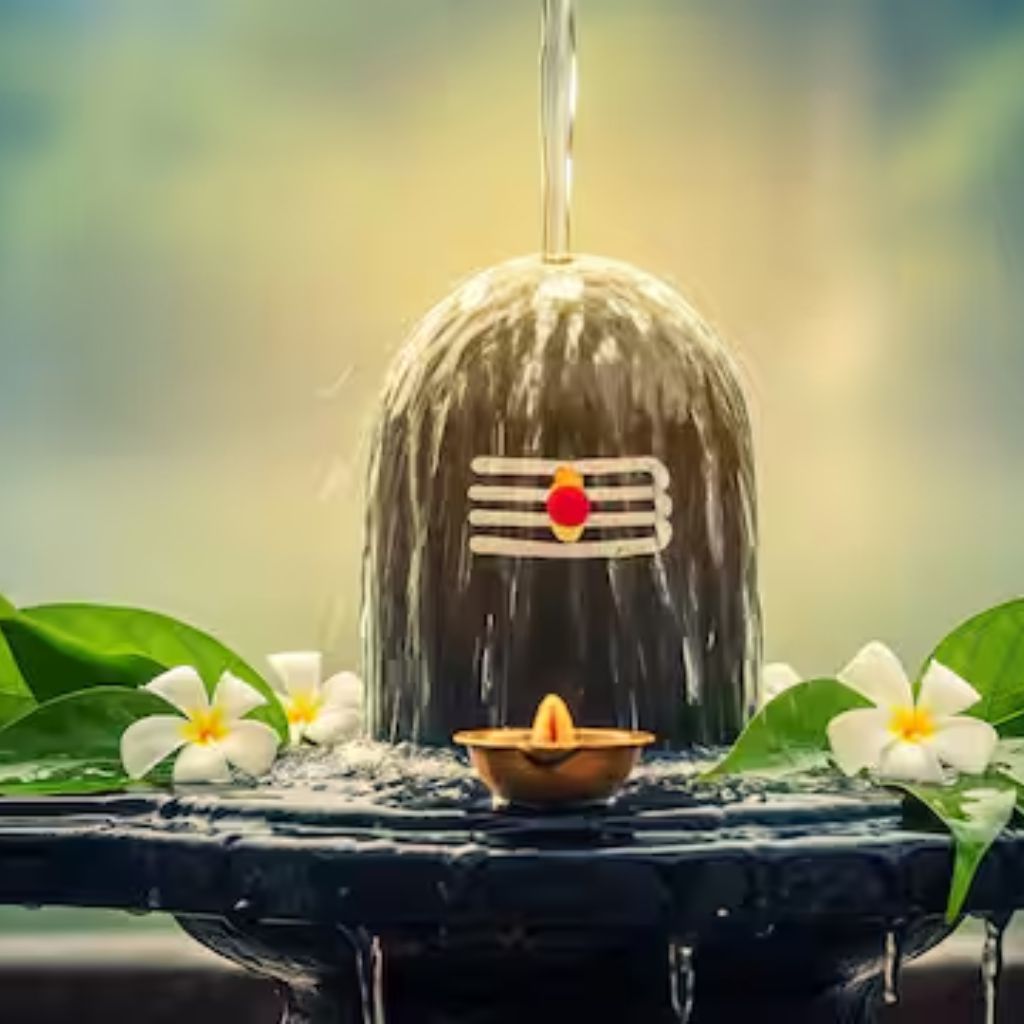
Maa Ganga has a deep connection with Lord Shiva because he carried her in his jata. Therefore, Shiv Abhishek with Gangajal on Ganga Dussehra is considered very auspicious.
Offer Gangajal, milk, flowers and बेलपत्र to Shivling while chanting:
“ॐ नमः शिवाय”
This ritual brings peace, positivity and spiritual strength. Many devotees also observe fasting and visit Shiva temples on this day.
A simple Shiv Abhishek at home can become a peaceful family ritual.
7. Donate or Perform Daan According to Your Capacity
Donation or daan holds special importance during this festival. Helping others with a pure heart is believed to bring blessings and good karma.
You can donate food, clothes, water, fruits or money according to your pocket allowance. Expensive offerings are not necessary because true devotion comes from kindness.
Festivals Impact Local Economy
Ganga Dussehra shows how festivals impact local economy. Religious tourism supports hotels, flower sellers, transport workers, priests, artisans, and local markets. Thousands of families earn their livelihood during this sacred celebration, helping preserve traditional rituals and crafts.
Selfcare Tips During Ganga Dussehra
While celebrating this sacred festival, following simple selfcare tips is important such as stay hydrated during summer heat, wear comfortable cotton clothes, respect nature and avoid plastic waste and many more.
Ganga Dussehra: One of the Living Traditions of the World
Ganga Dussehra is among the most beautiful living traditions of the world. Thousands of devotees gather on riverbanks to perform holy rituals, float diyas in the water, chant mantras, and attend grand Ganga Aartis. The spiritual atmosphere created by temple bells, devotional songs, and glowing lamps reflects timeless cultural heritage of India.
Har Har Gange! ‘हर हर गंगे’!
Frequently Asked Questions about Celebrations of Ganga Dussehra
-
Which cities are famous for celebrating festival?
Major cities such as Haridwar, Prayagraj, Varanasi, and Rishikesh are famous cities to celebrate festival, but if you cannot visit, you can add gangajal during your bath at home as well.
-
What is the connection between Lord Shiva and Maa Ganga?
According to Hindu mythology, Lord Shiva held the powerful flow of Maa Ganga in his 5 Jatas to protect the earth when she arrived from heaven.
-
Why do people take a holy dip in river Ganga?
People believes that taking a holy dip in river Ganga washes away sins, removes negativity, brings peace, growth and prosperity into life. Some also believe that taking bath and doing puja will provide mokash to their ancestors.
-
What is the significance of Ganga Dussehra?
Ganga Dussehra marks the divine descent of Maa ganga from heaven to earth to purify and spiritual growth in hindu culture.