
Traditions are part of our lives in this modern society, where it brings balance by adding meaning, culture, and belongingness, and it creates an emotional connection with others by focusing on innovation, speed, and productivity. Traditions remind us who we are and where we come from, as they are not just rituals; they are our identity.
To know More: Click Here
Traditions refer to beliefs, customs, and practices passed down from one generation to another. Traditions are like the roots of a tree, which are unseen but essential forthe strength and growth of branches, leaves, and fruit. Aaj ki modern life mein bhi traditions, festivals, and cultural experience ki abhi apni ek importance hai, ad yeh humein emotionally and financially stable rakhte hain.
Table of Contents
How Traditions Are Important in Modern Life?

Culture and traditions bind us; they do not divide us. It’s an emotion that can be experienced but is difficult to put it into words. Traditions in modern society play a major role in shaping personal and collective identity.
Traditions influence how people save, spend, and invest money
Many families save money throughout the year for weddings, festivals, or religious ceremonies. This creates a culture of disciplined saving.
For example: buying gold save for Shaadi or festivals
Budgeting for rituals, gifts, and celebrations
People plan expenses for gifts, decorations, clothing, and food during festive seasons. This planning teaches financial responsibility.
For example: saving a small amount in a piggy bank, makinga weekly or monthly habit for a child
Financial collaborations based on culture
People contribute funds for weddings, funerals, or emergencies in many cultures. This trust is established through cultural beliefs and established relationships.
For example: Money or gifts to girl-boy family on marriage or on their birthday
From roots to rituals, they act as a bridge between generations
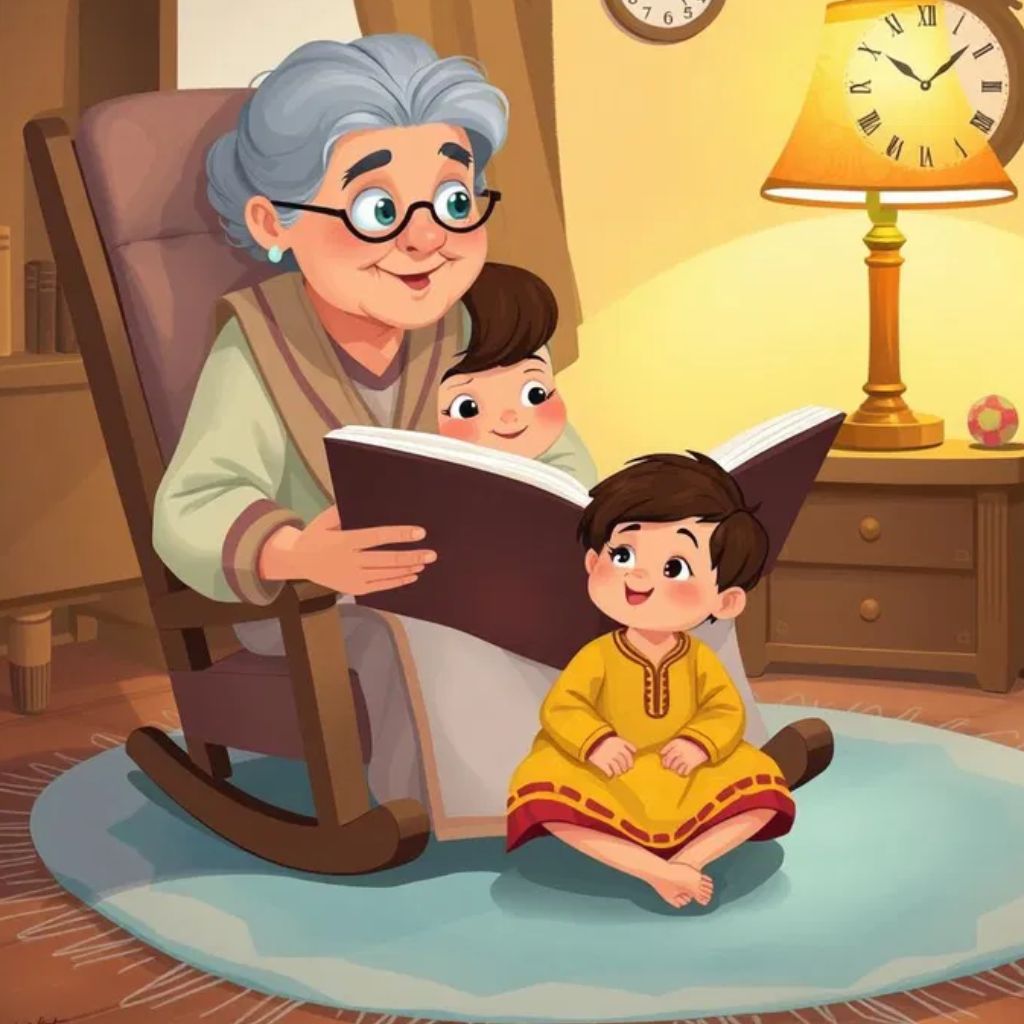
Traditions are a bridge between grandparents, parents, and children.
The stories told by elders, recipes, and rituals shared bring families closer. The idea of from roots to rituals ensures that knowledge and experiences are not wasted.
For example: dadi-nani kahani sunati hain, wo sirf story nahi hoti, wo legacy hoti hai.
Why Traditions Are Important in Modern Life?
The importance of culture and heritage is based on the preservation of the uniqueness of society. This cannot be ignored, even modern urban lifestyle. Traditions are the source of emotional stability, unity, and economic discipline. Below, we have discussed the top 5 importance of traditions in modern life and their relevance in economic stability:
Role of Traditions in Modern Society for Economic Stability
Traditions indirectly support economic stability by promoting saving habits and financial planning. Weddings, festivals, and ceremonies encourage long-term budgeting and responsible spending. Communities also support local artisans, clothing businesses, and food vendors during festivals, boosting the economy.
Encourage Saving Money Through Customs
Customs often require preparation and saving. Families save for years to host important life events. Isse ek financial discipline develop hota hai jo future security ke liye beneficial hota hai.
Builds National and Community Identity
Traditions create a shared identity. National holidays, cultural festivals, and community gatherings promote unity. Celebrating traditional festivals of India like Holi or Navratri fosters patriotism and collective pride. Festivals bring colors not only to homes but also to hearts.
Respect for History and Ancestors
Traditions teach respect for ancestors and historical events. They remind us of sacrifices and achievements that shaped society. Hamari history sirf books mein nahi, rituals mein bhi zinda rehti hai.
Act as Emergency Financial Support
In many communities, cultural systems act as informal insurance. During emergencies, relatives and neighbors contribute financially. This social safety net is rooted in tradition and trust. Yeh ek silent support system hota hai jo mushkil waqt mein kaam aata hai.
Balancing traditions without losing meaning
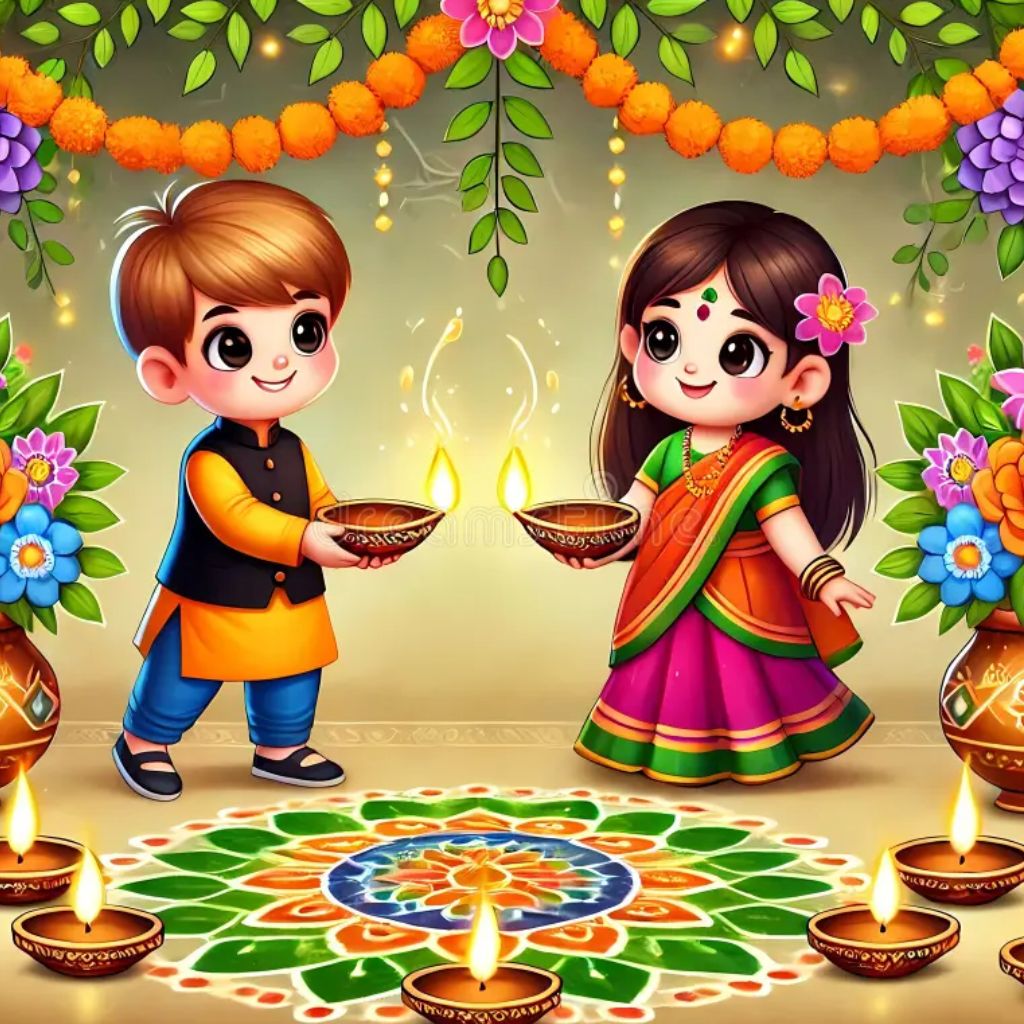
Traditions are not barriers to progress but a reminder of identity and shared history. The real power of any culture lies in understanding its values and using them effectively.
When people appreciate the cultural heritage important in their lives, they can easily progress without losing their roots. Celebrating traditional festivals of India, supporting local arts, and encouraging interactions between generations help traditions stay alive in a meaningful manner.
The process of moving from roots to rituals does not have to end with time; it can grow stronger when society respects and understands the significance of culture and heritage while progressing with awareness.
Frequently Asked Questions About Why Traditions are Important in Modern Life
-
Why is the cultural heritage important for youth?
1. Shapes identity and confidence
2. Teaches discipline, respect, and values
3. Encourages early financial habits like saving for festivals or weddings -
What does from roots to rituals mean in modern life?
1. Passing wisdom and customs from elders to youth
2. Adapting traditions without losing meaning
3. Balancing modernization with the importance of culture and heritage -
How do traditions in modern society affect financial habits?
1. Promote saving for weddings, rituals, and festivals
2. Encourage budgeting for gifts, clothes, and food
3. Build trust-based financial support in families and communities -
How do busy lifestyles and nuclear families impact traditional practices?
The busy lifestyles and nuclear families impact traditional practices in the following ways:
1. Less Time for Rituals
2. Reduced Elder Guidance
3. Limited Collective Celebrations
4. Intentional Learning Needed
5. Weaker Community Bonding