
When we talk about religious festivals of India, Holi comes at the top of the list. Though, as per the Vikram Samvat Calander it falls in the last month, i.e., Phalgun, it actually marks the arrival of spring and the end of winter. This festival is the messiest, loudest, and most chaotic in the best way possible. But kya apne socha hai ki gulal aur pichkariyon ke peeche ki asli kahani kya hai?
India is known for its Hindu cultural festivals in India, and Holi is a prime example of how traditions blend joy with deep meaning. In this blog, let us all explore the top 7 unknown facts about the Holi festival in India.
Table of Contents
Dark Origins: The Demoness Holika
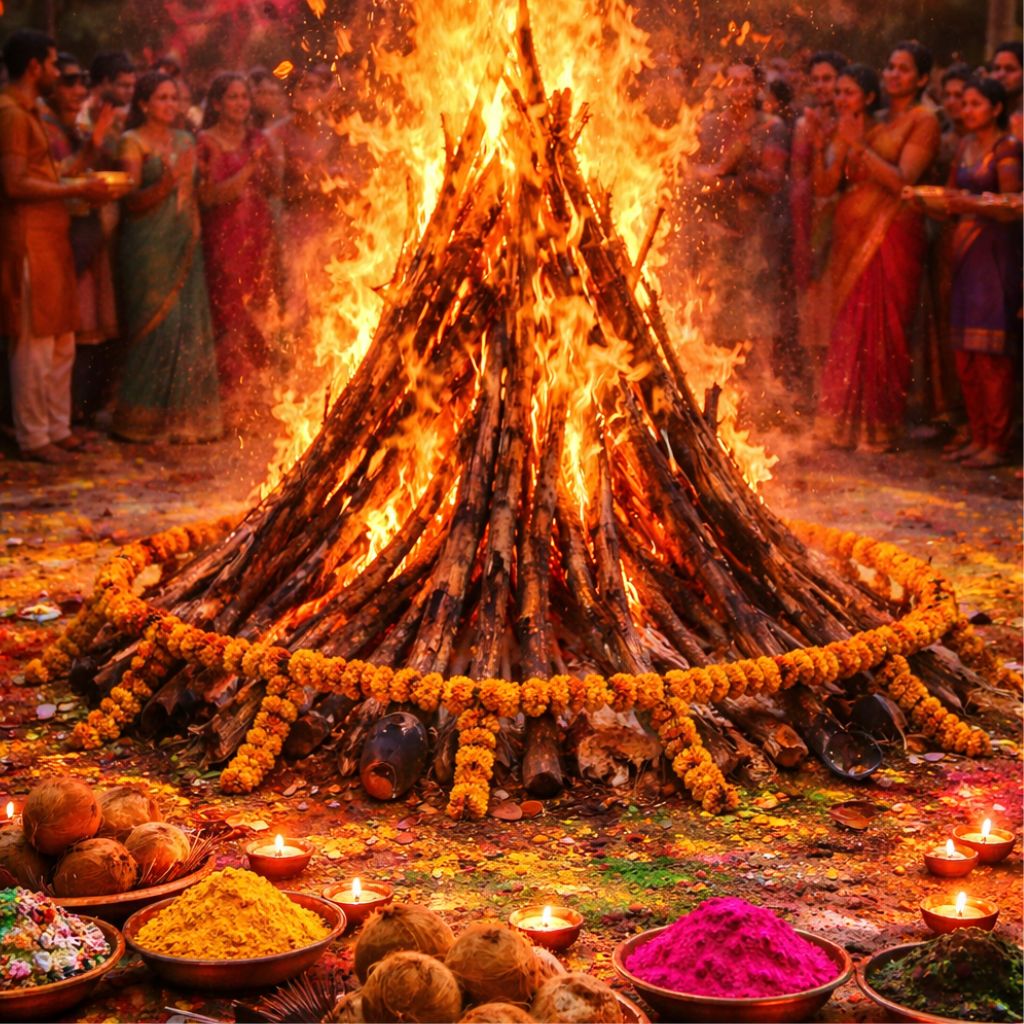
Many people think Holi is just a form of party, applying colors and drinking bhang, but it names carries a heavy history. The festival is deeply connected to the legend of Holika and Prahlad.
According to Hindu mythology, King Hiranyakashipu wanted everyone to worship him, but Prahlad remained devoted to Lord Vishnu. He tried many ways to punish Prahlad, but nothing worked. Holika stepped in. She had a boon that if she wears her dress piece, she can never get burn, she sat with Prahlad in a burning pyre. Due to Bhagwan Vishnu blessings dress piece protected Prahlad, and Holika died.
That is why Holika Dahan is performed the night before Holi. Yeh prove karta hai ki burayi chahe kitni bhi powerful kyun na ho, truth always wins.
Fact 1: 16 Day Celebration in Braj: A Marathon of Color
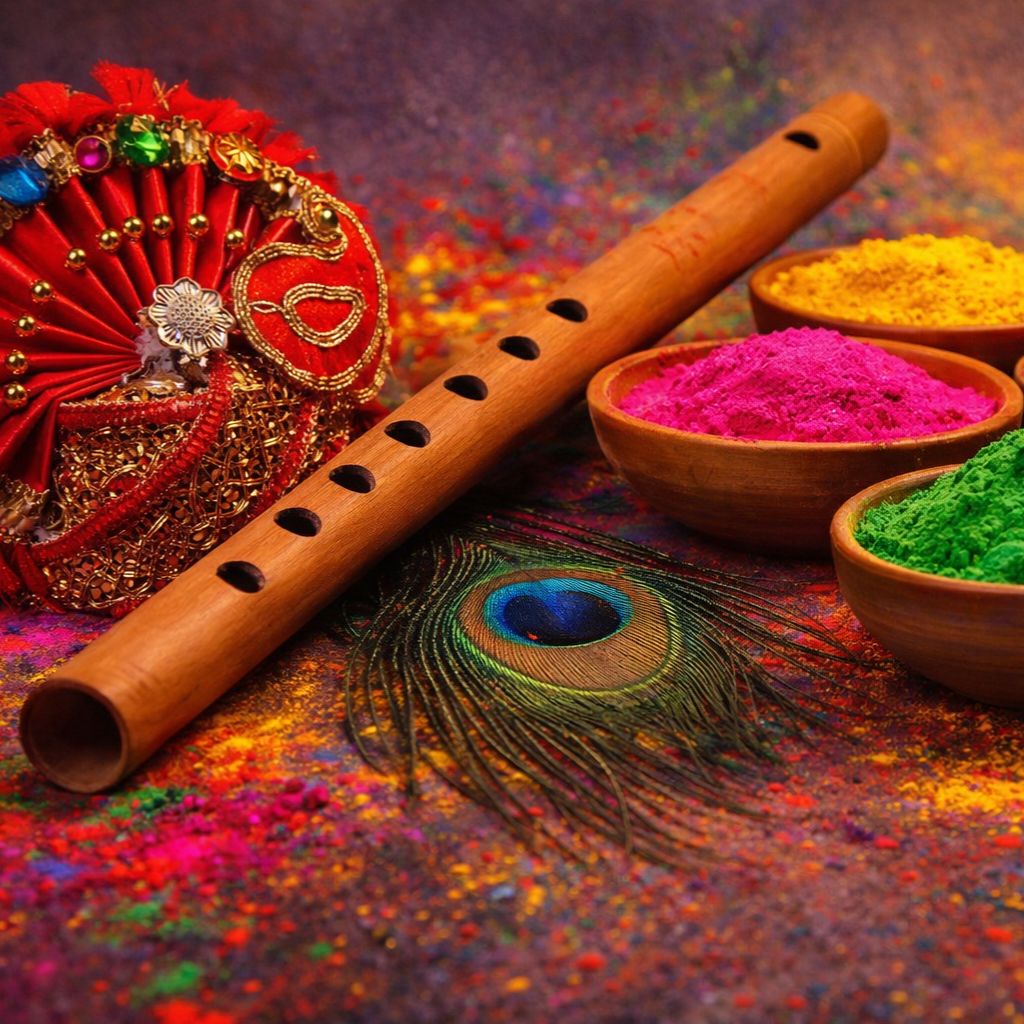
If you think Holi is a day or a 2-day festival, but it’s a marathon of a 16-day celebration in Braj (Mathura, Barsana, Nandgaon, and Vrindavan). The celebrations are deeply rooted in the legends of Radha and Krishna, bringing the spirit of Holi alive.
The air is filled with devotional songs, traditional folk music, gulal, bhakti, and leela. This uniqueness invites tourists from all over the world.
16 days celebration includes traditions such as ladoo holi, Lathmar Holi, Phoolon wali Holi, Widow Holi, Rangwali Holi, Dauji Ka Huranga and many more traditions.
Fact 2: Reference in Sanskrit Texts: Ancient Roots
Holi koi naya trend ya sirf Duyapar yug ki invention nahi hai. It is mentioned in ancient Sanskrit scriptures and temple carvings. The reference shows that Holi has been an integral part of Hindu cultural festivals in India for centuries.
- Puranas: The Atharva Veda, Narada Purana, and Bhavishya Purana provide detailed descriptions of the spring festival.
- Stone Inscriptions: A 300 BC inscription in Ramgarh, Vindhya, mentions “Holikotsav”.
Fact 3: Colors Natural Palette: Ingredients, Meaning
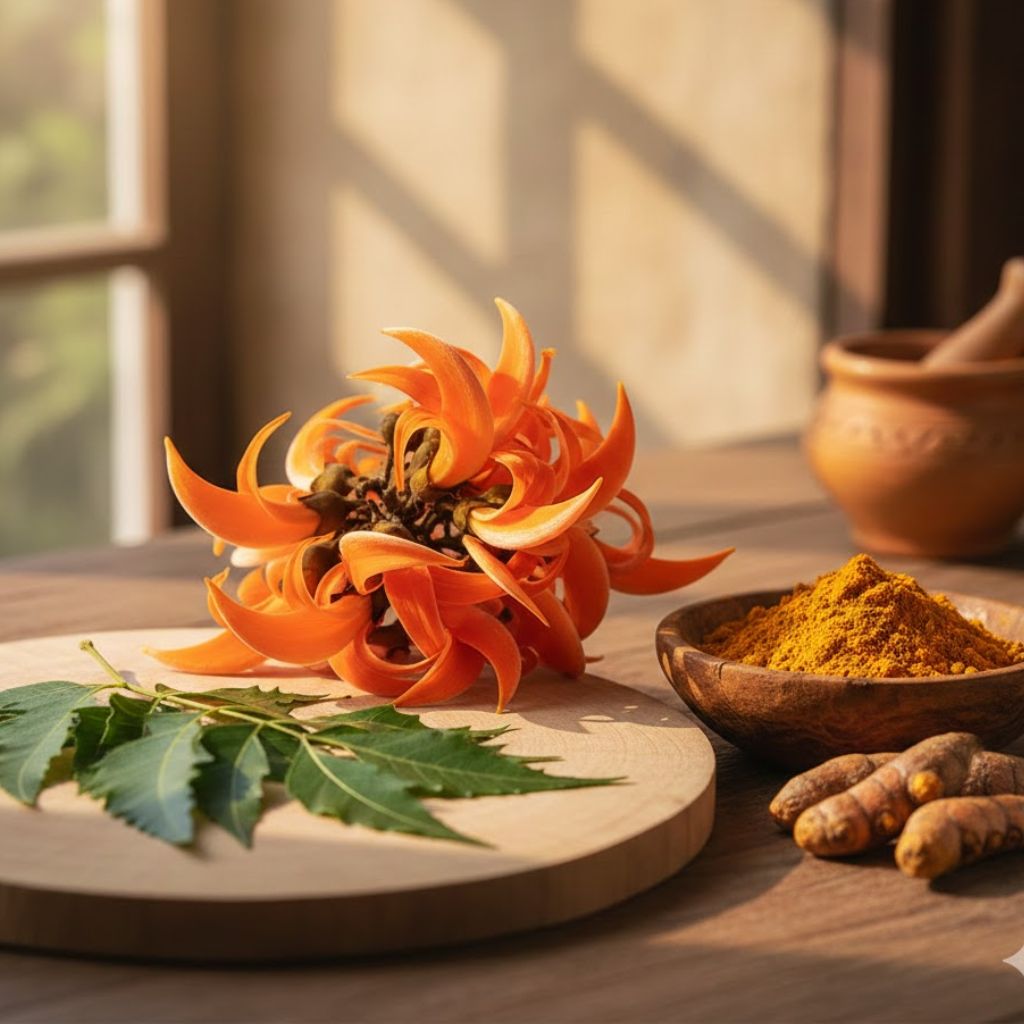
Every color used during Holi carries symbolism and originality using a natural palette. Even today, people use tesu flowers, neem leaves, henna, turmeric, and sandalwood paste in the name of organic vibes, but original uses had reasons for self care routine for the festival of Holi, like protecting skin, getting ready for summer heat, and even had medicinal properties.
| Color | Natural Ingredients | Meaning Behind Color |
| Red | Beetroot, Hibiscus flower | Purity, Fertility |
| Yellow | Turmeric, marigold flower | Healing, Wisdom, learning |
| Green | Neem, Heena | Harvest, Spirit of Nature |
| Blue | Berries, Indigo Plant | Sky, Ocean |
Fact 4: Different States, Different Days: Regional Timelines
While most states celebrate it on the full moon of Phalguna, some regions observe it on different days based on local calendars and customs.
- West Bengal: Celebrate it as Dol Jatra with processions and singing.
- Maharashtra: Here, it’s Rang Panchami, celebrated five days after Holika Dahan.
- Goa: Known as Sigmo, it’s a massive spring carnival.
- Manipur: It lasts for six days and is called Yaosang.
Fact 5: Traditional Sweets vs Modern Sweets: The Battle
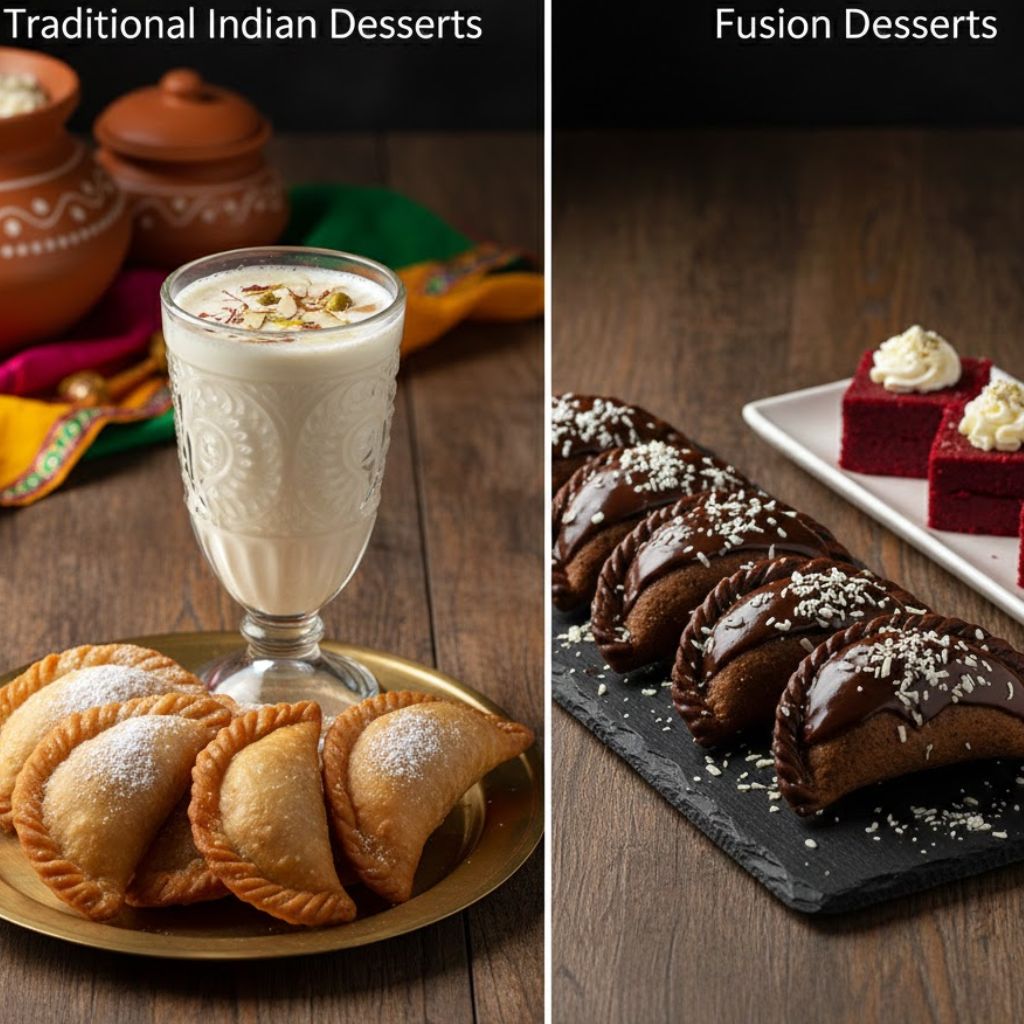
Holi celebration is incomplete without food. Pehle ke time mein, traditional sweets like Mawa Gujiya, Malpua, and Thandai dominated the scene. These were made with pure ghee and dry fruits to provide energy during the seasonal shift.
But ab culture change ho raha hai. Now we see “Fusion Sweets”—Chocolate Gujiyas, Vodka Thandai, and Red Velvet Barfis. Though modern sweets are trendy, nothing beats the taste of a homemade, deep-fried Gujiya dipped in sugar syrup. Wahi toh asli Holi ki feel hai!
Fact 6: Sweet Shops and Revenue: The Economics of Holi
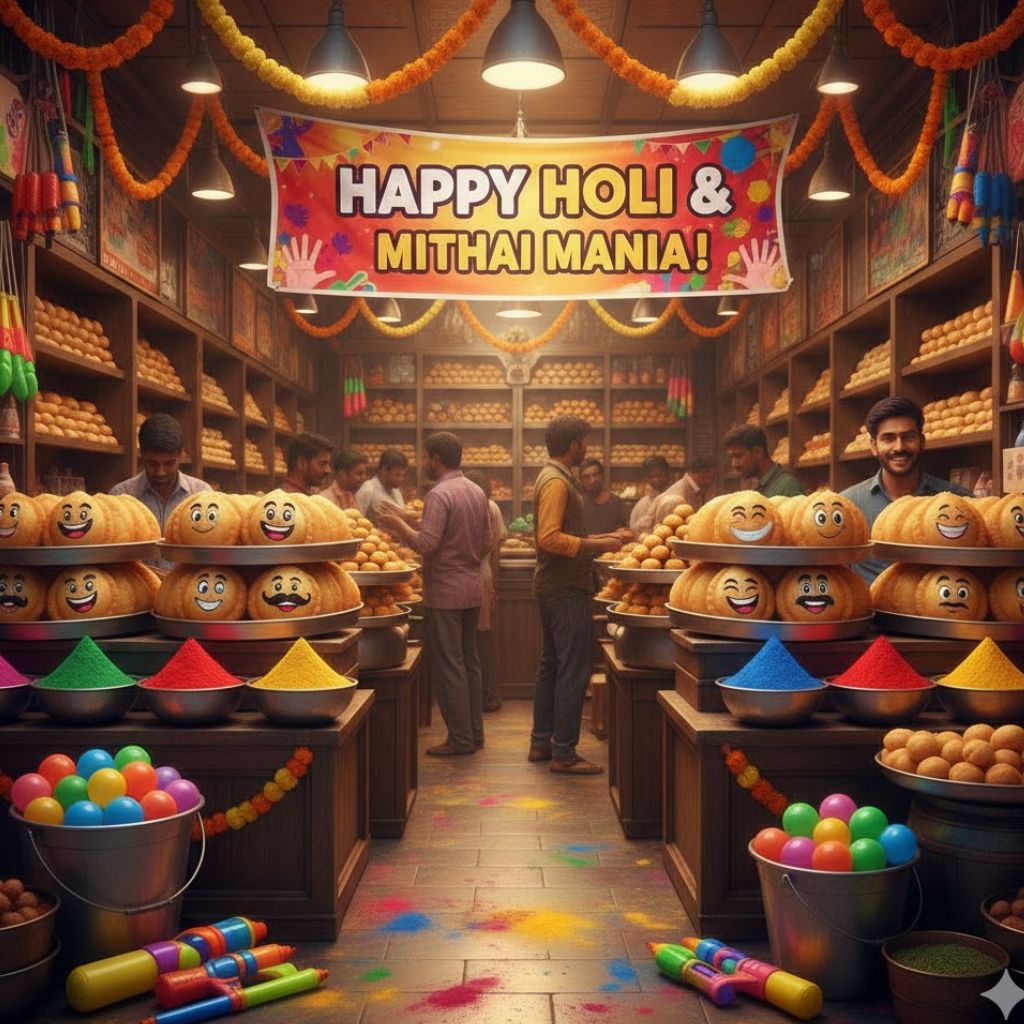
An economic unknown fact about Holi is its significant impact on local businesses. Sweet shops earn a major portion of their spring revenue during Holi. This is the time when the demand for milk, mawa, and sugar skyrockets.
Sweet shops, color sellers, clothing stores, and gift vendors witness a major spike in sales during this period. The sale of Thandai ingredients alone becomes a multi-crore industry during these few days. It is a massive boost for local dairy farmers and small-scale confectioners.
Fact 7: Temporary Employment: The Job Engine
Holi creates temporary employment opportunities in sectors like tourism, event planning, food services, and decoration. The street vendors, performers, and artisans all benefit from the festive season.
Yeh festival sirf rangon ka nahi, opportunities ka bhi festival hai. Holi strengthens community bonds, supports livelihoods, and spreads positivity. Among all religious festivals of India, Holi stands out for blending joy, culture, economy, and unity.
Holi Ke Rang, Pragati Ke Sang
Holi is far more than splashing colors on friends and family. It is filled with rare Holi rituals in India, cultural depth, economic impact, and spiritual symbolism. Rang lagana sirf ek part hai — asli Holi happiness share karne aur dil se connect hone ka festival hai.
Whether you are eating a Gujiya or dancing to “Rang Barse,” celebrate with heart and respect for the tradition.
Frequently Asked Questions – Holi Festival in India
-
What are a few unknown facts about the Holi festival in India?
There are 7 unknown facts about Holi, such as its mention in ancient Sanskrit texts, the 16-day celebration in Braj, the use of natural herbal colors in old times, and the strong economic impact on sweet shops and local markets.
-
What foods are commonly prepared during Holi?
The foods include Gujiya, Malpua, Dahi Bhalla, Puran Poli, and Thandai. These dishes are an important part of the traditional celebrations in India and symbolize hospitality and joy.
-
What are some unknown regional Holi names in India?
Holi is known as Dol Jatra (West Bengal), Rang Panchami (Maharashtra), Yaosang (Manipur), and Sigmo (Goa), showing the unity in diversity.
-
What is the spiritual meaning behind Holika Dahan?
The spiritual meaning is the burning of negativity, ego, and evil thoughts. It reflects the core values seen in Hindu cultural festivals in India, where fire represents purification and new beginnings.
2 Comments